Ottawa's ByWard Market Plan to Introduce 'Flex Streets' for Major Events
The City of Ottawa has unveiled a transformative plan for the historic ByWard Market district that would create innovative "flex streets" designed to close to vehicular traffic during major events and peak times. This proposal is part of a broader revitalization strategy aimed at enhancing pedestrian safety, boosting local commerce, and creating more vibrant public spaces in one of Ottawa's most iconic neighborhoods.
Revitalizing a Historic District
According to details released on February 19, 2026, the plan includes a comprehensive redesign of key thoroughfares within the market area. These "flex streets" would operate normally for vehicle access during regular hours but could be swiftly converted into pedestrian-only zones for festivals, markets, concerts, and other significant gatherings. The initiative responds to longstanding community calls for improved walkability and reduced traffic congestion in the densely populated district.
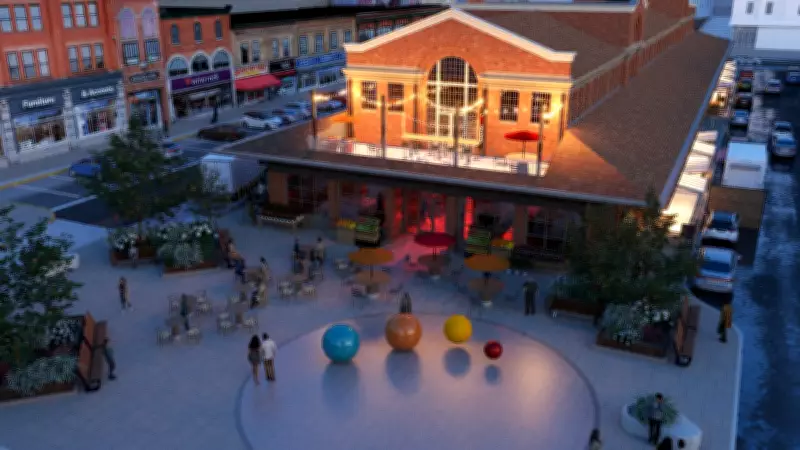
An artist rendering accompanying the city report showcases a reimagined pedestrian plaza alongside a revitalized ByWard Market Building, suggesting a dramatic transformation of the area's public realm. The visualizations depict widened sidewalks, enhanced landscaping, and dedicated spaces for outdoor dining and vendor stalls that would only be possible with temporary traffic restrictions.

Balancing Access and Activation
City planners emphasize that the "flex street" concept represents a balanced approach to urban design. "This isn't about permanently banning vehicles from the market," explained a municipal spokesperson. "Rather, it's about creating adaptable infrastructure that can serve different purposes at different times. During major events, we can prioritize pedestrians and cyclists. On regular days, the streets function as they always have."
The proposal comes amid growing national conversations about urban mobility and public space utilization. Similar initiatives have been implemented in cities like Montreal and Vancouver, where temporary street closures have proven successful in boosting local business revenue and community engagement during events.
Implementation and Community Impact
Implementation would involve physical infrastructure changes including retractable bollards, improved signage, and potentially modified curbs to facilitate quick transitions between vehicle-accessible and pedestrian-only configurations. The city report suggests these changes could be phased in over several years, with extensive community consultation planned before final approval.
Local business owners have expressed cautious optimism about the proposal. "The market thrives when people feel comfortable walking and exploring," noted one restaurant proprietor. "If these 'flex streets' can create safer, more enjoyable experiences during busy events without harming our daily operations, it could be a real win for everyone."
The plan also addresses accessibility concerns, with provisions for maintaining access for delivery vehicles, emergency services, and residents with mobility challenges even during street closure periods. City officials stress that detailed operational protocols would be developed in partnership with disability advocacy groups and transportation experts.
As Ottawa continues to evolve as a national capital, the ByWard Market "flex street" proposal represents a forward-thinking approach to urban planning that prioritizes adaptability, community vitality, and sustainable transportation options for future generations.