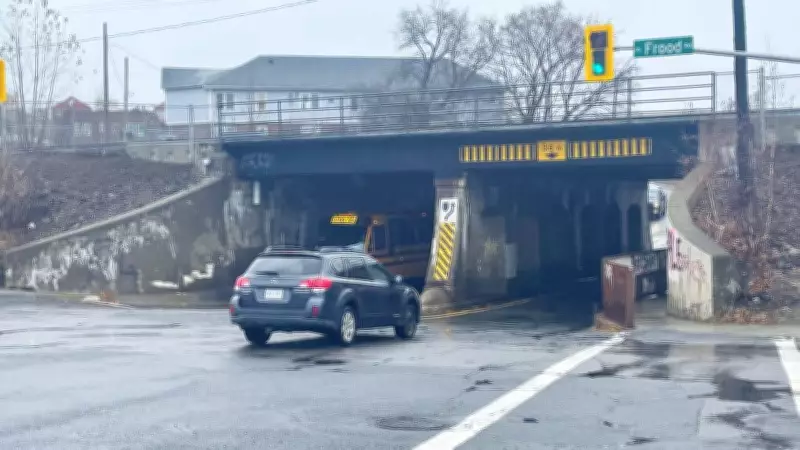
The City of Greater Sudbury has announced a significant adjustment to its planned repairs for the College Street underpass, scaling back the original scope in response to mounting budget constraints. This decision comes after a thorough review of municipal finances, which highlighted the need for cost-saving measures across various infrastructure projects.
Revised Project Details and Financial Implications
Initially, the repair plan for the College Street underpass included comprehensive upgrades to address structural issues, improve drainage systems, and enhance pedestrian safety features. However, due to financial pressures, the city has now opted for a more focused approach. The revised plan will prioritize essential safety repairs, such as fixing critical structural weaknesses and ensuring proper lighting, while deferring non-urgent enhancements like aesthetic improvements and expanded walkways.
This scaling back is expected to reduce the project's overall cost by approximately 20%, aligning it with the city's tightened budget for the fiscal year. Officials have emphasized that the core objective of ensuring public safety and maintaining traffic flow will not be compromised, but the adjustments reflect a pragmatic response to economic challenges.

Community Impact and Future Considerations
The changes to the underpass repair plan are likely to have mixed effects on the local community. While the immediate focus on safety upgrades should address the most pressing concerns, some residents and business owners have expressed disappointment over the deferred improvements, which could have boosted accessibility and urban aesthetics. The city has committed to revisiting these aspects in future budget cycles, pending improved financial conditions.
In the meantime, construction timelines may be adjusted to accommodate the revised scope, with work expected to proceed in phases to minimize disruptions. The city plans to engage with stakeholders through public consultations to gather feedback and ensure transparency throughout the process.
This move by Sudbury underscores a broader trend among municipalities facing similar fiscal pressures, where infrastructure projects are being reevaluated to balance needs with available resources. As the project moves forward, ongoing monitoring will be crucial to assess its effectiveness and plan for any necessary follow-up actions.