Toronto is a city in decline, evident everywhere we look every day. From potholes left unfixed to overflowing garbage cans, a dysfunctional TTC that serves more as a homeless shelter, never-ending congestion, rising costs despite diminished services, and rising crime—the signs are unmistakable.
It wasn't always this way, and it doesn't have to continue. But to fix things, we need a change in leadership at City Hall. This means not only replacing Mayor Olivia Chow with someone who will fight for improvement but also achieving large-scale change around the council table.
The Need for New Faces
It is welcome news that Councillor Gord Perks has announced he will not run again in Parkdale-High Park. However, we need more than just one councillor replaced. We must remove those who accept Toronto's decline or, worse, encourage it. Councillor Anthony Peruzza, who recently called for government-run grocery stores, has been in office since the 1980s and on the current council since 2006—it is time for a change. Paula Fletcher, often on the wrong side of issues, has served since 2003. We need new candidates to replace those past their political best-before date.

Rising Crime Statistics
Despite claims that crime is down, long-term trends tell a different story. In 2015, there were 3,285 auto thefts in Toronto. By 2020, that figure had increased by 76% to 5,798, and by 2023, a record 12,539 auto thefts were recorded—almost four times the 2015 number. In 2025, 7,363 cars were stolen, still more than double a decade ago. Assaults are up almost 40% over the last decade, reported sexual violations have increased by 46%, and theft over $5,000 (excluding autos) has effectively doubled. Shootings, while down from record highs, remain higher than a decade ago.
We need a mayor and councillors who will not accept rising crime as inevitable.
Homelessness and Addiction Crisis
Homelessness is a growing problem, with the city estimating an average homeless population of over 10,500 in the last three months. A decade ago, roughly 4,000 shelter beds were straining the system. After more than doubling capacity, the system still strains, and shelters expand into every corner of the city without making a dent. This file is clearly mismanaged, yet the mayor and council believe spending more money is the answer.
Take the shelter at 233 Carlton Street. The city took possession on January 1, 2020, spent over $11 million on renovations, and it still has no opening date. Meanwhile, the city is in court after the New Toronto Initiative challenged a proposed shelter at 66 Third Street, alleging bad faith.
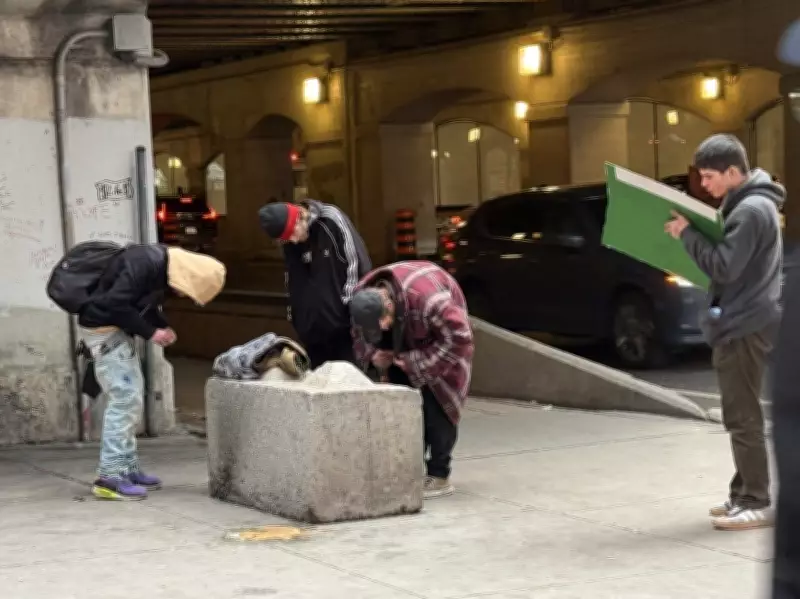
The homelessness issue is closely tied to addiction. Mayor Chow and her allies are misguided. Chow endorsed the Toronto Model and supported following British Columbia's lead in decriminalizing all drugs. That short-lived experiment was so disastrous that the NDP government of David Eby asked the federal government to reverse course.
The impact of addiction is on daily display. Commuters through Union Station see people in stupors or zombie-like states. The subway and streetcar systems are constant reminders of these problems.
Declining Services and Rising Taxes
Garbage is not properly collected; public bins in the downtown core regularly overflow. The city is in a general state of disrepair as core services are ignored, yet taxes keep rising. Over the last five years, property taxes have increased by more than 34%, mostly under Olivia Chow. As mayor, Chow has also hiked parking fees and fines, boosted water and solid waste rates by 25%, and increased the municipal land transfer tax.
No one can look at the current state of the city and say that Olivia Chow deserves re-election. We have just under six months to convince our neighbours of this. Let's get to work.