Toronto City Hall Committee Endorses Bylaw Changes for Street Artists and Vendors
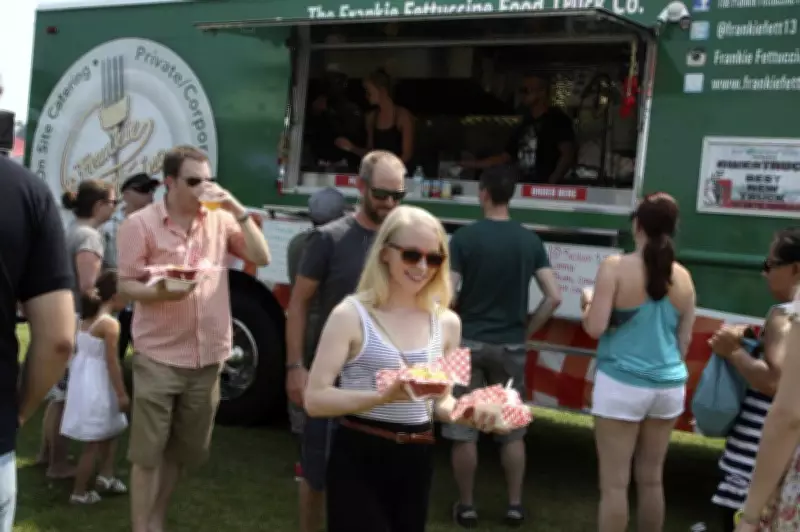
A city hall committee in Toronto has endorsed a series of bylaw changes aimed at easing restrictions on street buskers and vendors, including mobile food trucks. The proposals, which could take effect in time for the 2026 FIFA World Cup matches hosted in the city, seek to add more vibrancy to Toronto's streets by loosening sidewalk vending rules downtown and extending working hours for mobile food vendors starting June 15, just days after Toronto's first World Cup game.
Committee Debate Focuses on Permits and Equitable Access
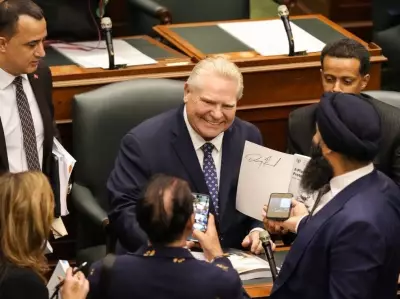
The economic and community development committee debated the changes on Thursday afternoon, with discussions centered on permit fees and rewriting language in Toronto's bylaws. Ausma Malik, a downtown councillor on the committee, emphasized that buskers enhance urban life, making it "more enjoyable and whimsical." However, the debate lacked whimsy as it delved into technical details, including new fee structures for licenses and permits outlined in committee reports.
Cameron Pounder, co-owner of the FeasTO food truck, highlighted issues with Toronto's two-tier permitting system, arguing it creates inequitable access to public space. "We now have two systems: a small group with permanent fixed locations, and over a hundred mobile vendors competing daily for limited curb access," Pounder said. He appealed to councillors with private business experience, drawing a gentle admonishment from committee chair Alejandra Bravo for addressing individuals rather than the committee as a whole.

Proposed Changes and Concerns from Stakeholders
Bravo responded by introducing amendments to phase out certain curb land vending permits, stressing the importance of "fair access to local economic development activities." Meanwhile, street performers like a saxophonist and magician complained about noise restrictions hindering their livelihoods, with proposed changes potentially allowing amplified street performances.
Councillor Chris Moise expressed concerns about safety and congestion in his downtown ward, calling for reports on noise and congestion issues. "I'm a huge supporter of street vendors and artists, of course," Moise said, "but bigger crowds could make narrow sidewalks unsafe." He indicated he might seek safety-related revisions when the proposals go before City Council for a vote later this month.
Opposition from Brick-and-Mortar Businesses
The Yonge North York Business Improvement Area (BIA) board of directors urged caution, citing Toronto's "struggling restaurant sector." In a letter to the committee, the BIA warned that the changes could further strain bricks-and-mortar businesses that contribute to the city's cultural vibrancy. They suggested a more conservative approach, including deferring non-food vending and evaluating impacts before extending vending hours significantly.
Despite these concerns, the committee was unanimous in its support, though Councillor Nick Mantas recused himself due to a family member's involvement in a vending truck business. The proposals now await a City Council vote, with potential implications for Toronto's street scene during the World Cup and beyond.