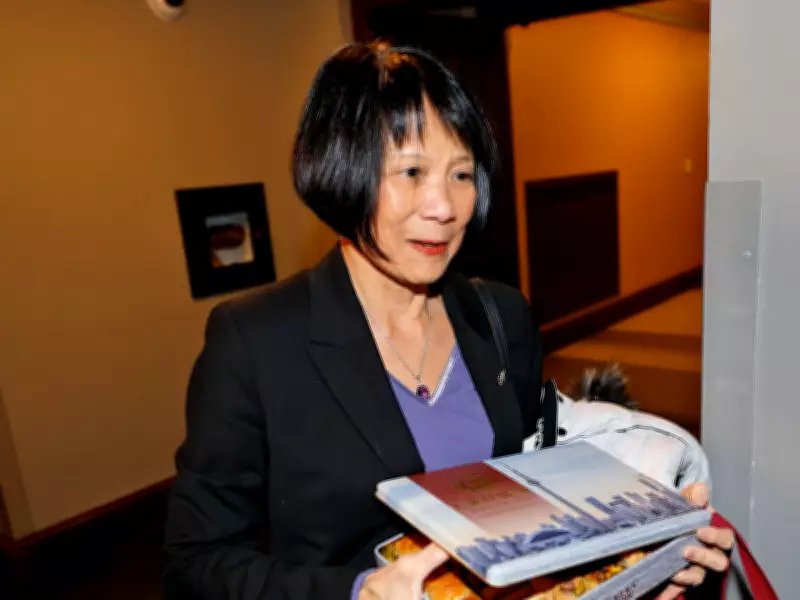
Toronto Mayor Moves to Exclude U.S. ICE Agents During 2026 World Cup
Toronto Mayor Olivia Chow has introduced a motion aimed at prohibiting U.S. Immigration and Customs Enforcement (ICE) agents from operating in the city during the upcoming 2026 FIFA World Cup. The proposal, titled "No ICE in Toronto," argues that the presence of these agents could instill fear and disrupt the welcoming atmosphere intended for the global event.
Concerns Over Safety and Welcoming Environment
In her motion, Mayor Chow emphasizes that the goal is to ensure everyone feels safe and welcomed as Toronto prepares to host matches. She states, "The presence of ICE agents is liable to create fear during a time when we want to welcome the world and ensure that everyone feels safe." This move comes amid broader concerns about immigration policies and their impact on international visitors.
Background on ICE Presence in Canada
According to the ICE website, the agency maintains a permanent presence in five Canadian cities: Toronto, Montreal, Calgary, Vancouver, and Ottawa. However, only Toronto and Vancouver are set to host World Cup matches in 2026, making this issue particularly relevant for these urban centers. The tournament marks the first time it will be spread across three countries: the United States, Mexico, and Canada.

Historical Context and Recent Incidents
The motion references recent events that have fueled concerns about ICE's conduct. For instance, it cites a large-scale operation in Minnesota where federal immigration agents shot and killed two protesters, both of whom were U.S. citizens. Additionally, there were protests in Italy during the Milan Winter Olympics over the involvement of ICE agents in security for the U.S. delegation. Mayor Chow's motion asserts, "U.S. Immigration and Customs Enforcement has demonstrated through their actions in Minnesota and across the U.S. that they bring fear and disorder, not safety."
Impact on Tourism and Global Perception
Organizers have anticipated an elevated number of foreign visitors for the World Cup, with some fans potentially hesitant to travel to the United States due to former President Donald Trump's hardline immigration tactics. The motion notes, "Unfortunately, the actions of U.S. Immigration and Customs Enforcement have cast doubt on the ability of many to visit or live in the United States and beyond safely." By seeking to block ICE agents, Toronto aims to position itself as a more inclusive and secure destination for international attendees.
Toronto is scheduled to host six matches during the tournament, and this motion highlights the city's efforts to balance security with hospitality. The debate over ICE's role underscores broader discussions about immigration enforcement and its effects on global events and community trust.