As the year draws to a close, Toronto City Hall issued a press release celebrating its 2025 accomplishments, from transit improvements to World Cup preparations. However, a review of the Toronto Sun's coverage over the past twelve months paints a contrasting portrait of a city grappling with delays, budgetary pressures, and contentious policy decisions.
Transit Troubles and Economic Strains
City Hall highlighted opening all six lanes of the Gardiner Expressway ahead of schedule, freezing TTC fares, and improving traffic flow. The Sun's perspective tells another story. The long-awaited Finch West LRT finally opened in December 2025 but was immediately criticized for being too slow. The Eglinton Crosstown line, meanwhile, remains unfinished over fourteen years after construction began.
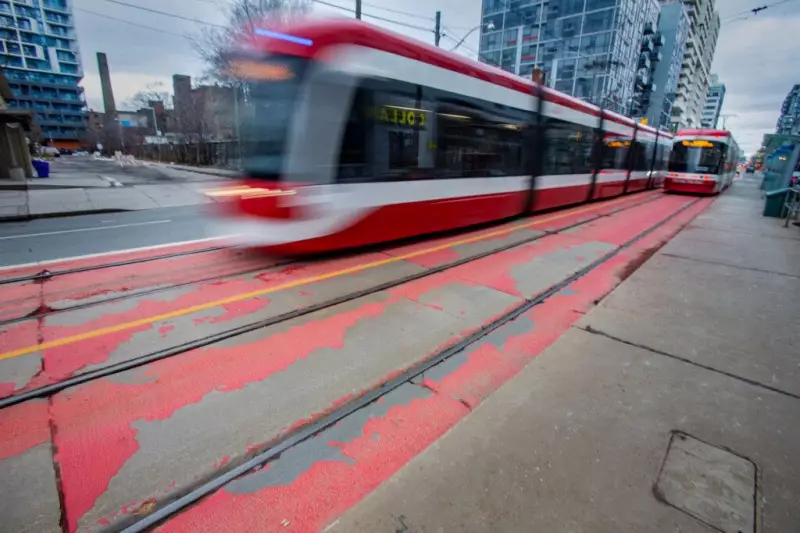
On major arteries like Dufferin and Bathurst Streets, the introduction of RapidTO dedicated lanes has funneled other traffic into single file, with the lane's red paint already peeling. While fares were frozen, a proposal by Councillor Brad Bradford to refund riders for delays over 15 minutes was not adopted.

Economically, City Hall pointed to Mayor Olivia Chow's "10-point economic action plan" and a 15% property tax cut for 28,000 small businesses. The Sun notes that with the 2025 budget hike, property taxes have risen nearly 30% in four years. Recent council moves, including a new luxury tax on homes sold above $3 million, add to the burden. City councillors, however, approved a 24% pay raise for themselves.
Housing Hurdles and Shelter Controversies
The municipality boasted of completing 700 new homes, starting construction on 3,400 rent-controlled units, and introducing a renovictions bylaw. The dominant housing narrative in 2025, per the Sun, was the aggressive and controversial rollout of shelters across Toronto.
This initiative sparked community outrage, lawsuits, and social media alarm, particularly after reports of a "black-mandated" shelter plan in May. A lawsuit in south Etobicoke challenged a shelter plan and the appointment of a linked consultant to the city's real estate board. The physical impact was felt by residents near Billy Bishop Airport, where a massive generator for a temporary shelter disrupted condo life.
Public Safety, Environment, and World Cup Prep
City Hall cited hiring 263 first responders and improving 911 wait times. This claim was juxtaposed with Mayor Chow's comment that Police Chief Myron Demkiw's "hands are tied" by a lawyer, following public calls for better policing of frequent anti-Israel rallies. The fall also saw the province reject the city's plea to keep its speed cameras, with some councillors calling the program broken.
In a notable environmental move, council excluded Tesla vehicles from a local EV grant program, sparking a rhetorical feud with Elon Musk. Councillor Mike Colle vowed to remove a Tesla dealership from his ward. Despite climate pledges, the Sun revealed Toronto would break with FIFA World Cup tradition by not offering free transit during the 2026 tournament.
On community spaces, while libraries opened on Sundays and some pools had extended hours, others were closed in June due to excessive heat—a decision labelled a "head scratcher" by Brad Bradford. Council also agreed to convert the historic Weston Lions Arena into an MLSE LaunchPad facility, potentially ending its hockey legacy.
As the 2026 FIFA World Cup approaches, City Hall completed stadium upgrades and announced fan festival locations. However, the Sun reported that council explored "reducing scope" after anticipated senior government funding became uncertain. Despite this, plans proceed to spend $7.5 million in World Cup funds on social initiatives like youth job programs.
A Year of Contrasts
The dichotomy between City Hall's triumphant summary and the ground-level reporting of the Toronto Sun defines Toronto's 2025. From peeling transit paint and shelter disputes to tax hikes and environmental contradictions, the city's year was marked by ambitious promises facing complex realities. As preparations intensify for the global spotlight of the World Cup, these underlying tensions present an ongoing challenge for municipal leadership.