Toronto is preparing for a challenging fiscal year in 2026, with city officials actively working on a budget that emphasizes austerity. The goal is to address significant financial pressures while minimizing the burden on taxpayers, though residents may still see an impact on their bills.
The Driving Forces Behind Toronto's Fiscal Squeeze
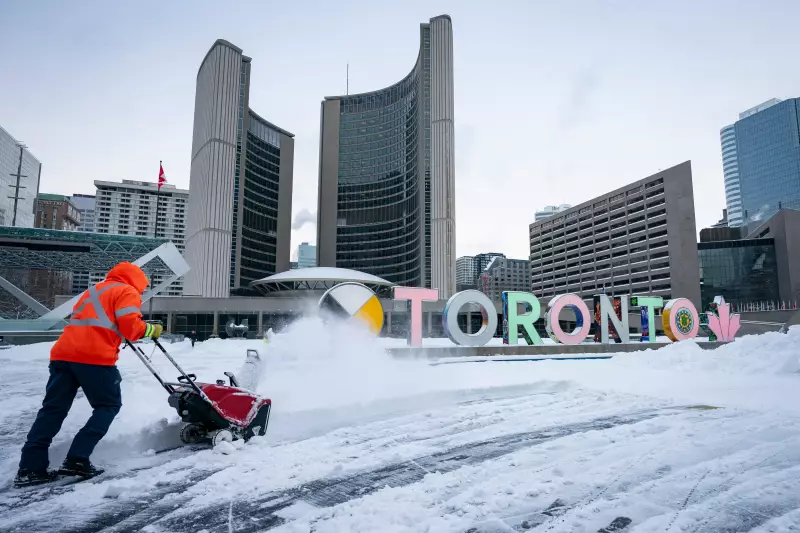
The push for a tighter 2026 budget stems from a combination of rising costs and growing demands on municipal services. John Moore recently discussed the city's financial woes, highlighting persistent issues like transit troubles and snow-clearing failures that strain resources. These operational challenges, coupled with inflationary pressures and provincial funding constraints, have created a perfect storm for the city's finances.
The budget planning follows a year of notable events, including the fatal shooting near the University of Toronto’s Scarborough campus in late 2025, which underscored public safety costs. Furthermore, the city continues to grapple with the long-term economic effects of previous years, influencing its cautious approach to spending.

Potential Impacts on Services and Resident Taxes
A more restrained budget inevitably leads to difficult choices about city services. Residents could experience changes in areas such as public transit maintenance, community programming, and infrastructure projects. The discussion around the budget, which was updated on January 7, 2026, and initially published on December 22, 2025, centers on achieving efficiency without severely degrading quality of life.
However, even with cost-cutting measures, a rise in property taxes or other municipal fees remains a strong possibility to bridge funding gaps. The exact impact on individual tax bills will depend on the final budget approvals and the city's success in finding alternative revenue streams or savings.
Looking Ahead: What 2026 Holds for Toronto
The 2026 budget process sets the stage for Toronto's financial health in the near future. Decisions made now will influence the city's ability to invest in critical areas like housing, transportation, and climate resilience. As noted in broader economic forecasts, such as Deloitte's prediction of slowed Canadian economic growth to 1.5% in 2026, municipalities like Toronto must navigate a cautious path.
The city's approach mirrors challenges seen across the country, from Alberta's school board book removals to Nova Scotia Power's rate hike requests. Toronto's strategy will be a key indicator of how major urban centers manage fiscal pressure while attempting to maintain essential services for their growing populations.