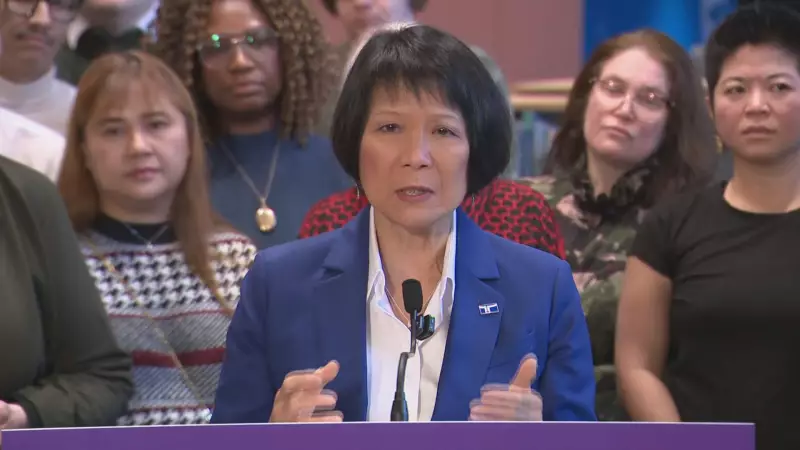
Toronto Mayor Olivia Chow has officially presented the city's financial blueprint for 2026, laying out a comprehensive budget that addresses key municipal priorities. The budget presentation, delivered on Thursday, December 08, 2026, marks a critical moment for Canada's largest city as it plans its spending for the upcoming year.
Budget Priorities and Strategic Focus
The newly unveiled document outlines where taxpayer dollars will be allocated across various city departments and services. While specific line-item details from the presentation are being analyzed, the budget is expected to reflect the administration's commitments to housing, transit, and community services. Mayor Olivia Chow spearheaded the announcement, emphasizing a balanced approach to meeting the needs of a growing metropolis while maintaining fiscal responsibility.
The Context of Municipal Governance
The budget process in Toronto is a complex undertaking, involving consultations and reviews before its final approval. The 2026 plan arrives as cities across Canada grapple with similar challenges, including infrastructure demands and economic pressures. This fiscal roadmap will guide Toronto's operations and capital projects throughout the entire year.

Next Steps and Public Scrutiny
Following the mayor's presentation, the proposed budget will undergo detailed scrutiny by city councilors and committees. Public feedback sessions are typically part of this process, allowing residents to voice their opinions on the city's spending priorities before a final vote is held. The outcome will set the financial course for Toronto for the next fiscal cycle.
The unveiling of the 2026 budget is a major annual event for Toronto's governance, impacting everything from property tax rates to the scope of local programs and infrastructure maintenance. All eyes are now on the city council as they deliberate on Mayor Chow's proposed plan.