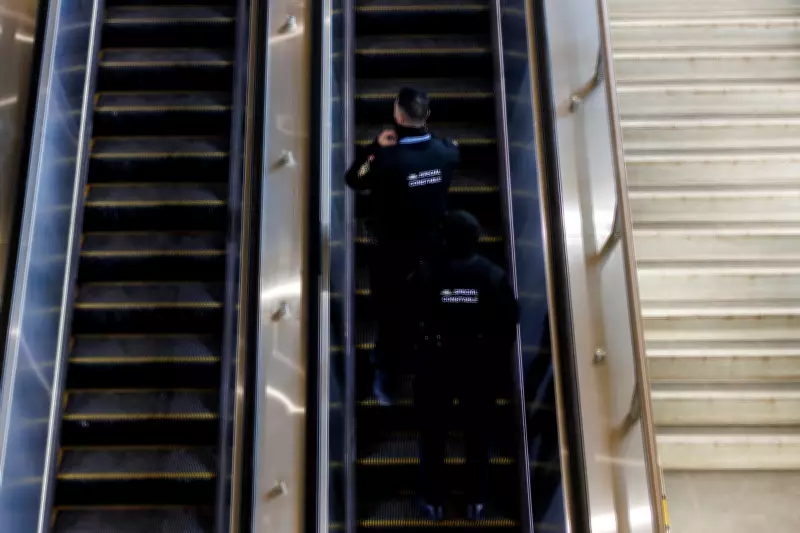
Ontario's Plan to Expand TTC Special Constable Powers Sparks Mixed Reactions
A proposed regulatory change in Ontario, aimed at increasing the authority of Toronto Transit Commission (TTC) special constables, is eliciting a spectrum of responses from stakeholders and the public. The initiative, which would grant these officers arrest and enforcement powers under the provincial Criminal Code, is positioned as a measure to enhance safety and security across the transit network.
Details of the Proposed Powers
The regulation, announced in February 2026, seeks to empower TTC special constables with capabilities traditionally held by municipal police forces. This includes the authority to detain individuals suspected of criminal activities and to enforce a broader range of provincial statutes directly on transit property. Proponents argue that this expansion is necessary to address rising concerns about crime and disorder in public transportation spaces, potentially leading to quicker responses to incidents.
Support and Criticism from Various Quarters
Supporters of the plan highlight the potential for improved public safety, noting that special constables are often the first responders to emergencies on the TTC. They contend that enhanced powers could deter criminal behavior and streamline law enforcement processes, reducing reliance on external police agencies for minor infractions.

However, critics express reservations about accountability and training. Some community advocates worry that without robust oversight mechanisms, the expanded powers might lead to over-policing or disproportionate impacts on marginalized groups. Questions have also been raised regarding the adequacy of training for special constables in handling complex legal situations, emphasizing the need for clear guidelines and continuous education.
Broader Context and Implications
This move aligns with ongoing discussions about the role of transit security personnel in urban centers across Canada. Similar debates have emerged in other provinces, reflecting a national conversation about balancing safety with civil liberties. The outcome of Ontario's initiative could set a precedent for other jurisdictions considering similar expansions of authority for transit officers.
As the regulation undergoes further review, stakeholders are calling for transparent consultations to address concerns and ensure that any changes prioritize both safety and fairness. The mixed reviews underscore the complexity of implementing such policies in a diverse and dynamic urban environment like Toronto.