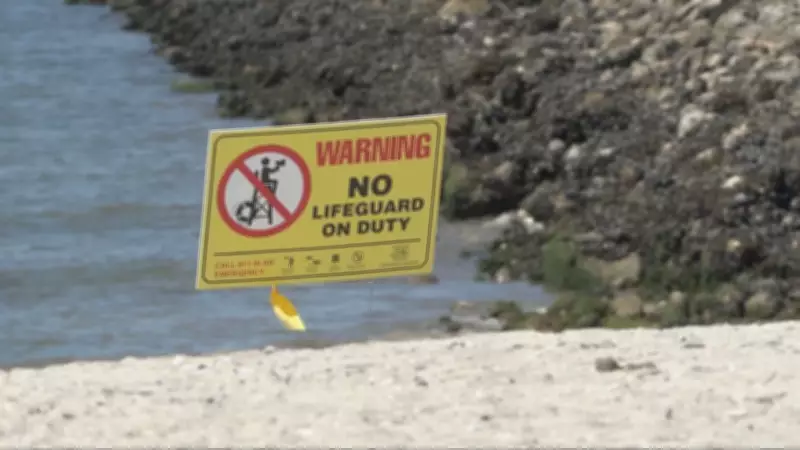
Vancouver Council Faces Pressure to Reinstate Lifeguard Funding
A new motion has been introduced urging Vancouver city council to restore funding for lifeguard services, sparking debates about public safety priorities in the municipality's aquatic facilities. The proposal comes amid growing concerns about the potential risks associated with reduced supervision at public pools and beaches.
Safety Concerns Drive Motion
The motion specifically calls for the reinstatement of budgetary allocations that were previously cut from lifeguard programs. Proponents argue that adequate lifeguard staffing is essential for preventing drowning incidents and ensuring swift emergency responses at Vancouver's numerous swimming locations.
"Public safety should never be compromised," stated one council member supporting the motion. "Our aquatic facilities serve thousands of residents and visitors annually, and proper supervision is non-negotiable for protecting lives."

Financial Implications and Priorities
The funding restoration would require reallocating resources within the city's budget, potentially affecting other municipal services. Critics of the motion question whether the proposed funding level is justified given competing priorities, while supporters emphasize that lifeguard services represent a fundamental public safety responsibility.
Vancouver operates multiple aquatic centers and supervised beach areas that rely on trained lifeguards during operating hours. The motion highlights statistics showing that properly staffed facilities significantly reduce water-related accidents and fatalities.
Community Response and Next Steps
Local residents have expressed mixed reactions to the funding debate:
- Parents with young children generally support enhanced lifeguard presence
- Some taxpayers question whether current staffing levels are adequate
- Swimming instructors emphasize the importance of supervision for all age groups
- Community centers worry about potential service reductions elsewhere
The motion will proceed through council committees before reaching a final vote, with deliberations expected to focus on balancing safety needs with fiscal responsibility. Council members have requested additional data on incident rates at supervised versus unsupervised aquatic locations to inform their decision.
This funding debate occurs as Vancouver prepares for summer months when aquatic facility usage typically peaks. The outcome could set precedents for how the municipality prioritizes public safety investments in future budget cycles.