Vancouver city councillors are raising significant objections to Metro Vancouver's proposed liquid waste management strategy, creating potential roadblocks for the regional plan that would guide wastewater treatment for the next three decades.
Council Opposition Grows
During a recent council meeting, multiple Vancouver councillors expressed strong reservations about supporting Metro Vancouver's Liquid Waste Management Plan. The comprehensive strategy outlines how the region will handle wastewater treatment and management through 2050, but local politicians argue the current proposal lacks sufficient detail and carries unreasonable financial burdens for Vancouver taxpayers.
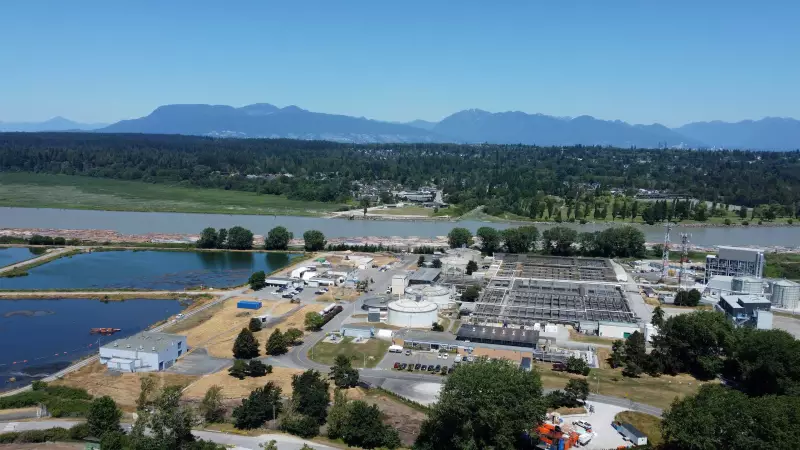
The proposed plan would affect major infrastructure projects, including the ongoing upgrades to the Iona Island Wastewater Treatment Plant, one of the region's largest treatment facilities. Councillors specifically questioned whether the current approach represents the most cost-effective solution for Vancouver residents, who would bear a substantial portion of the estimated $20 billion regional cost.

Environmental Concerns and Infrastructure Challenges
Beyond financial considerations, environmental impacts emerged as another key point of contention. Several councillors argued that the plan doesn't adequately address climate change resilience or incorporate enough green infrastructure solutions. They pointed to increasing frequency of extreme weather events and rising sea levels as factors that should influence wastewater management planning more significantly.
The Iona Island Wastewater Treatment Plant, prominently featured in Metro Vancouver's planning documents, requires substantial upgrades to meet modern environmental standards. However, Vancouver councillors want assurance that the regional approach will deliver optimal environmental outcomes rather than simply meeting minimum regulatory requirements.
Regional Cooperation at Stake
The opposition from Vancouver council members creates potential complications for regional cooperation on waste management. Metro Vancouver requires approval from member municipalities to proceed with its comprehensive liquid waste strategy. Without Vancouver's support, the entire planning process could face significant delays or require substantial revisions.
Council has requested additional information from Metro Vancouver staff before considering endorsement of the plan. The requested details include more specific cost breakdowns, clearer environmental benefit analyses, and alternative scenarios that might better serve Vancouver's specific needs while maintaining regional cooperation.
The debate comes at a critical time for wastewater infrastructure planning in the region. Aging treatment facilities require modernization, and population growth continues to increase demand on existing systems. How Vancouver council ultimately decides on the liquid waste management plan could shape the region's environmental footprint and taxpayer obligations for decades to come.