A young Vancouver resident is sounding the alarm on the city's deteriorating and overcrowded recreational facilities, warning that a lack of investment is compromising safety and limiting access for a growing population.
Safety Incidents Highlight Urgent Need for Maintenance
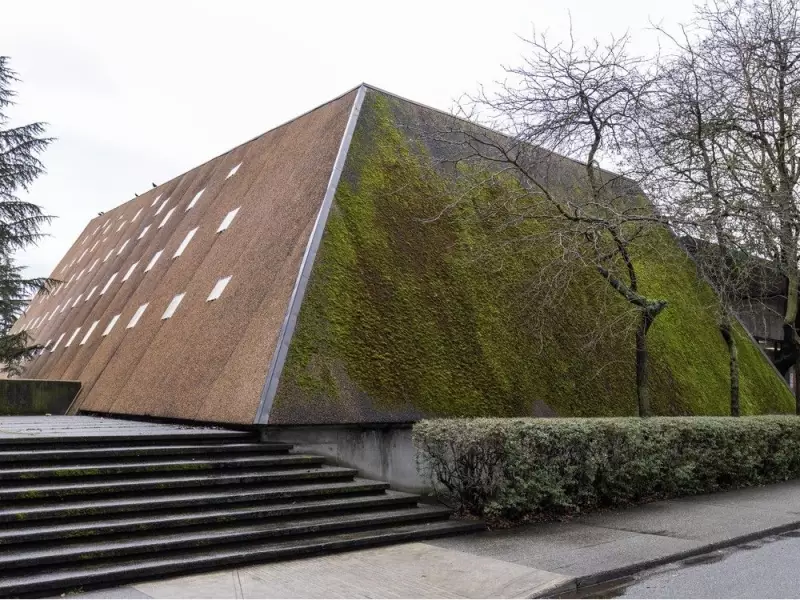
The call for action follows a concerning incident at the Vancouver Aquatic Centre. On November 4, 2025, a piece of concrete fell from the ceiling into a lap lane during public swimming hours. Fortunately, no one was injured. This marked the second such occurrence at the facility in just four years, underscoring a critical need for enhanced maintenance and upgrades.
The problem is widespread. A 2022 report indicated that 72 per cent of the city-owned and operated recreation centres were in poor condition or had exceeded their expected lifespan. Dylan Frewin, a 13-year-old speed skater who uses the Kitsilano ice rink, describes the facility's state as poor. He expresses growing concern over a potential sudden shutdown due to building system failure, which would disrupt training for skaters, hockey players, figure skaters, and ringette clubs, potentially derailing competitive aspirations for higher-level athletes.

A Growing City Strains Limited Resources
The capacity crisis compounds the safety issues. Vancouver's population is expanding rapidly, adding approximately 42,500 residents annually. This surge has placed immense pressure on existing recreational infrastructure, making it exceedingly difficult for families to enroll children in popular programs like swimming or skating lessons. The demand far outstrips the available space and resources.
A Call for Investment from All Levels of Government
Frewin argues that the solution requires a committed financial strategy. He believes the parks board and all levels of government must prioritize budgeting more funds toward two key areas: maintaining and modernizing outdated facilities, and constructing new centres to serve the expanding community. This investment is framed not as a luxury, but as a necessity for public health, happiness, and social cohesion, providing vital spaces for exercise, socialization, and competitive sport.
Related context: The article also references a separate letter regarding B.C.'s cellphone restrictions in schools, noting that a secondary school student in Vancouver has observed very little impact from the policy implemented in the 2024-2025 school year.