The City of Waterloo has unveiled a proposal to rezone church properties to allow for residential housing development, a move aimed at tackling the ongoing housing shortage. The plan, announced on June 23, 2026, would permit the conversion of underutilized church lands and buildings into residential units, including affordable housing options.
Details of the Proposal
Under the proposed zoning changes, churches located in residential areas could be redeveloped for housing without the need for a lengthy rezoning process. The city estimates that there are over 50 religious properties in Waterloo that could potentially be repurposed. According to a city report, this initiative could create hundreds of new housing units, helping to alleviate the region's housing crisis.
“We are facing a critical shortage of affordable housing, and we need to be creative,” said Waterloo Mayor Dorothy McCabe. “Churches are often located in established neighborhoods with existing infrastructure, making them ideal sites for new homes.”

Community and Church Reactions
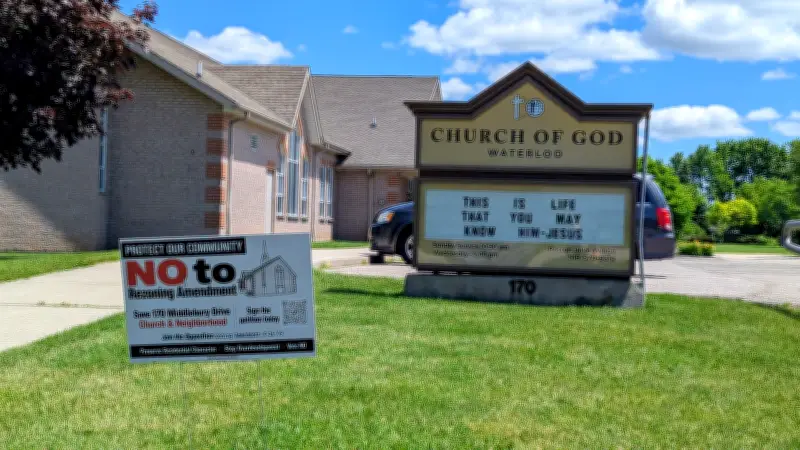
The proposal has received mixed reactions from local religious congregations and community members. Some church leaders have expressed interest in partnering with developers to create housing, while others are concerned about losing their places of worship. The Church of God at 170 Middlebury Dr., one of the properties highlighted in the plan, has not yet commented on the proposal.
“We understand the need for housing, but we also want to preserve the character of our neighborhoods,” said a spokesperson for the Waterloo Region Faith Coalition. “We hope the city will engage in meaningful consultation with affected congregations.”
Potential Impact
If approved, the rezoning could set a precedent for other municipalities in Ontario facing similar housing pressures. The city plans to hold public consultations in the coming months before finalizing the zoning changes. The proposal aligns with provincial efforts to increase housing supply, including Bill 23, which encourages the use of underused land for residential development.
“This is a common-sense approach to using land that is already serviced by water, sewer, and transit,” said a city planner. “It could significantly speed up the delivery of new homes.”
The proposal is expected to be debated at a city council meeting in September 2026.