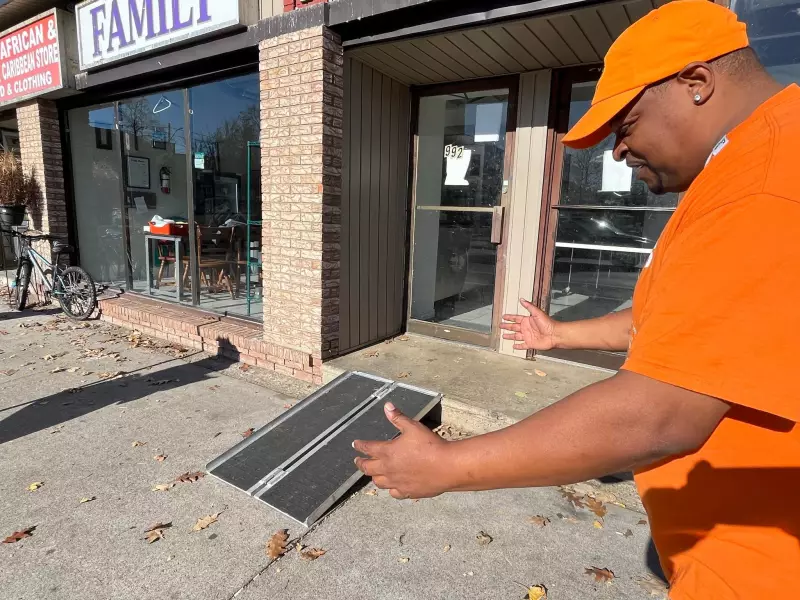
The City of Windsor has provided crucial clarification regarding accessibility regulations, confirming that Street Help can continue operating its portable wheelchair ramp after initial concerns about bylaw compliance.
Initial Confusion Over Ramp Legality
Street Help, a community organization dedicated to supporting vulnerable residents, recently faced uncertainty when informed that their portable wheelchair ramp might violate city bylaws. The situation created immediate concerns about maintaining accessibility for visitors with mobility challenges.
The portable ramp had been serving as an essential access point for individuals using wheelchairs and other mobility devices to enter the facility. Organization representatives expressed confidence that the initial warning resulted from a misunderstanding of the regulations rather than an intentional violation.

City Provides Clear Bylaw Interpretation
Following discussions between Street Help and city officials, Windsor has clarified that the organization's ramp setup complies with accessibility requirements. The resolution ensures that visitors with disabilities will continue to have unimpeded access to the vital services Street Help provides.
This clarification comes at a critical time as communities across Canada work to improve accessibility and remove barriers for people with disabilities. The positive outcome demonstrates how dialogue between community organizations and municipal government can lead to practical solutions.
Broader Implications for Accessibility
The resolution in Windsor highlights the importance of clear communication between municipal authorities and community organizations regarding accessibility requirements. When bylaws are interpreted consistently and fairly, organizations can better serve their communities without fear of unintended violations.
Street Help's experience serves as a valuable case study for other municipalities and community organizations navigating similar accessibility challenges. The outcome reinforces that practical solutions can be found when all parties prioritize inclusion and work collaboratively toward common goals.
As Canadian cities continue to implement accessibility standards, this Windsor example shows how flexibility and understanding can lead to positive outcomes for everyone involved, particularly those who rely on accessible infrastructure for daily living.