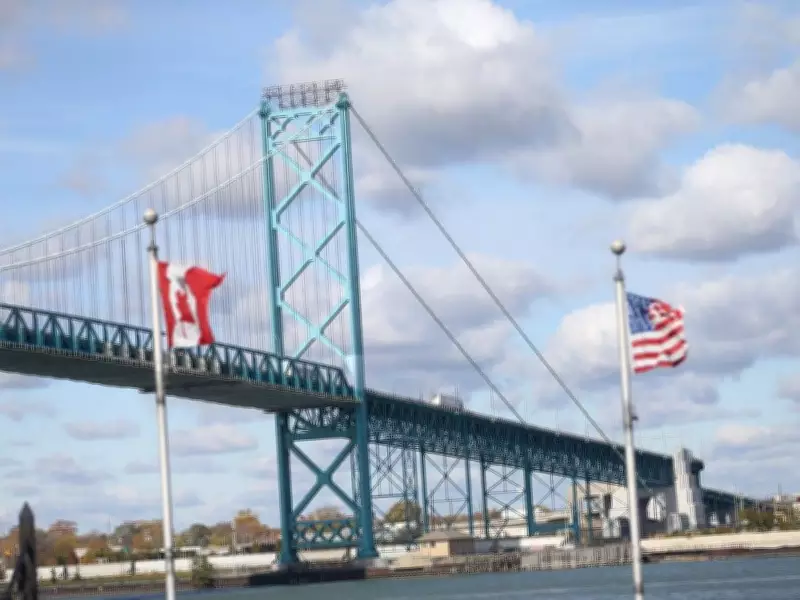
Windsor Halts Costly Ambassador Bridge Negotiations After $3 Million 'Wasted'
The City of Windsor has decided to significantly reduce its efforts to resolve ongoing disputes with the Ambassador Bridge company, following what Mayor Drew Dilkens describes as a "wasted" expenditure of up to $3 million in legal and engineering fees. This move marks a dramatic shift in the city's approach to dealing with the privately owned international crossing.
Frustration Mounts Over Stalled Negotiations
Mayor Dilkens expressed deep frustration this week, revealing that despite years of "diligent" work toward a comprehensive agreement with the Canadian Transit Company—the bridge company's Canadian arm—progress has stalled. "There's been a lot of money spent trying to find a pathway that lets us move forward in a global way and, unfortunately, it doesn't look like that's going to happen anytime soon," Dilkens told reporters on Monday.
The mayor recounted that negotiations had appeared promising at times, including in-person meetings with bridge owner Matthew Moroun. "I was very excited at the tenor of the conversation, only to now realize that I think a lot of that was just wasted time, and, unfortunately, wasted legal money and engineering studies," Dilkens lamented.

Decades-Old Disputes Remain Unresolved
The paused negotiations involve multiple long-standing issues that have plagued Windsor's relationship with the bridge company for decades:
- Boarded-up properties in Sandwich Town: Numerous homes owned by the bridge company remain vacant and deteriorating
- The former Villa Maria rest home: Purchased by the bridge company in 2018 and left boarded-up on Riverside Drive
- Fire hall relocation: Required for the bridge company's planned secondary inspection plaza construction
- Trunk sewer infrastructure: A major city sewer runs under the planned inspection plaza site near the bridge entrance
Dilkens noted that since approximately 2018, the city has invested between $2 million and $3 million attempting to resolve these disputes through legal channels and engineering studies.
Political Context Complicates Matters
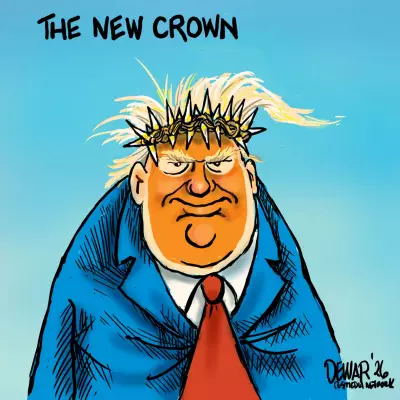
The timing of Windsor's decision coincides with recent political developments affecting cross-border infrastructure. U.S. President Donald Trump has recently threatened to block the opening of a nearby competing, publicly owned border bridge, adding another layer of complexity to Windsor's border crossing challenges.
"We'll wait and see what happens on their end and let them spend a little more money trying to figure out how they're going to deal with the Ambassador Bridge," Dilkens stated, indicating a shift in strategy that places more responsibility on the bridge company.
Community Impact and Corporate Responsibility
Mayor Dilkens expressed concern about the bridge company's approach to community relations, stating, "They don't seem to care too much about the communities in which they operate." This sentiment reflects growing frustration among Windsor residents who have watched boarded-up properties owned by the bridge company deteriorate in their neighborhoods for years.
The bridge company's planned secondary inspection plaza—for which it holds a federal permit—remains a point of contention, particularly regarding the relocation of critical city infrastructure and the fire hall.
A representative of the Ambassador Bridge company did not respond to requests for comment ahead of the publication deadline, leaving unanswered questions about their perspective on the stalled negotiations and future plans for their Windsor properties.