Windsor's city hall experienced a whirlwind year in 2025, marked by significant and sometimes controversial decisions that impacted transit, recreation, and the city's budget. From a mayor's historic veto to the closure of a popular beach, the year was defined by a series of pivotal council moves that shaped life in Canada's southernmost city.
Transit Shakeup and the End of an Era
The year began with transit changes that sparked considerable debate. On January 27, council voted to eliminate Transit Windsor's long-standing school bus extra program. This service, which had shuttled teens to and from four high schools for decades, was cut as part of a plan to reallocate roughly 15,000 service hours to regular bus routes. The decision faced opposition from parents and both the Greater Essex County District School Board and the Windsor Essex Catholic District School Board.
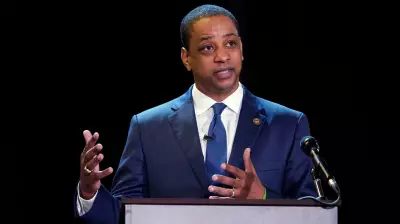
However, the most dramatic transit decision came in early February. On February 6, Mayor Drew Dilkens exercised his first-ever mayoral veto. He overruled a council majority vote that sought to save the cross-border tunnel bus to Detroit by increasing fares. Dilkens's veto effectively terminated Canada's only public cross-border transit service. The rationale was financial: due to federal labour laws applying to all Transit Windsor employees because of the international route, recent changes to the Canada Labour Code granted staff an extra 10 paid medical leave days. This turned the once break-even service into an annual $1.6 million cost for the city.

Recreation and Infrastructure Decisions
Council also made landmark choices regarding Windsor's recreational spaces. Early in the year, on January 13, they endorsed a $20-million master plan for the Festival Plaza. The plan aims to address the riverfront space's notorious heat island effect and make it more user-friendly for events. Notably, council did not approve immediate funding for the project.
Heritage protection was a key issue for the Roseland Golf Club. On February 10, council voted to remove heritage designation from the club's 1978 clubhouse and parking lot, clearing the way for the oversized building's demolition. A new, smaller clubhouse without curling or indoor event facilities is planned. The golf course itself, designed in 1926 by renowned architect Donald J. Ross, retains its protected status.
Budget and Fiscal Planning
The city's financial blueprint for the year was solidified on February 26 with the adoption of the 2025 budget. Windsor homeowners faced a 2.98 per cent property tax increase, which added nearly $14.5 million to annual spending. This hike raised the city's operating budget to close to $500 million, alongside an additional $312.7 million in new capital spending for infrastructure and projects.
Beyond these highlighted events, the year was also punctuated by the mid-term resignation of a city councillor and the controversial closure of a popular beach near waters deemed dangerous, underscoring a year of challenging and headline-grabbing municipal governance.