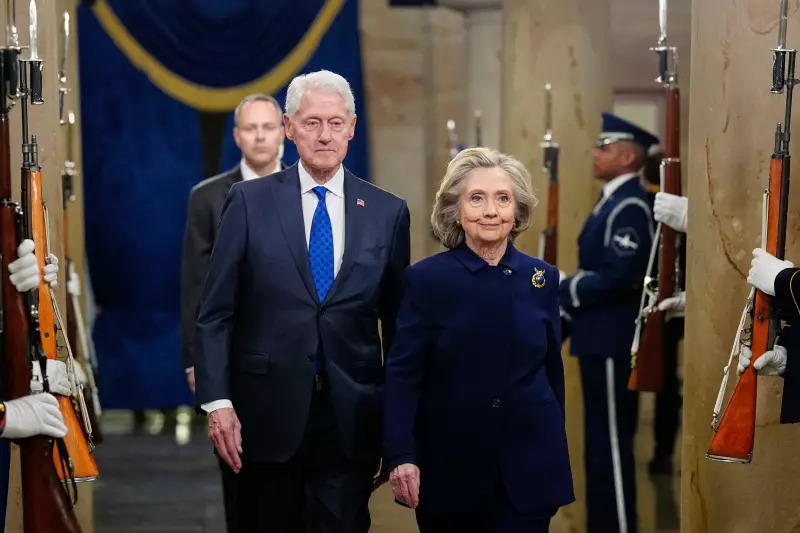
Former U.S. President Bill Clinton and former Secretary of State Hillary Clinton have formally declined to testify before a congressional committee investigating the late financier and convicted sex offender Jeffrey Epstein. The refusal, confirmed on January 13, 2026, sets up a potential constitutional clash with Republican lawmakers who are now threatening to pursue contempt of Congress charges.
Standoff Over Testimony
The Clintons' legal representatives notified the House Select Committee on the Epstein Investigation that the former first couple would not comply with subpoenas for testimony. The committee, spearheaded by the Republican majority, is probing the extent of Epstein's network and alleged influence peddling. The refusal to appear marks a significant escalation in the long-running investigation, which has already sifted through over a million documents linked to Epstein provided by the Department of Justice.
In a statement, a spokesperson for the Clintons cited the investigation's "partisan nature" and argued the committee had not established a legitimate legislative purpose for compelling their testimony. They characterized the subpoena as a political stunt. Committee Chairman, Representative James Comer, immediately fired back, calling the refusal "obstructionist" and vowing to use all tools at his disposal, including holding the Clintons in contempt, to secure their cooperation.

Broader Investigation and Political Implications
The House probe extends beyond the Clintons, seeking to map the entirety of Epstein's associations with powerful figures in politics, business, and academia. The committee has also sought testimony and documents from other high-profile individuals, though the Clintons' case is among the most prominent. The investigation has become a flashpoint in American politics, with Democrats largely dismissing it as a politically motivated fishing expedition aimed at damaging figures associated with the opposing party.
Analysts note that the threat of contempt charges, which could lead to fines or even imprisonment, is a serious but often protracted political tool. The process would require a full House vote and subsequent referral to the Justice Department for prosecution, a path fraught with political hurdles. The standoff occurs amidst a heated political climate in Washington, with control of the White House and Congress at stake in the upcoming electoral cycle.
What Comes Next?
The next move rests with the House committee. Lawmakers are expected to schedule a vote on a contempt resolution in the coming weeks. Should it pass the Republican-controlled House, the matter would be sent to the U.S. Attorney for the District of Columbia. However, historical precedent suggests such referrals against high-profile political figures rarely result in criminal charges, often ending in prolonged legal battles or negotiated settlements.
Meanwhile, the committee continues its work reviewing the trove of Epstein-linked documents. A central question, as highlighted by commentator Eric Ham, remains whether any evidence will directly tie former President Donald Trump to Epstein's criminal activities. The investigation's timeline and ultimate findings remain uncertain, but the Clintons' refusal to testify ensures the probe will remain in the national spotlight for the foreseeable future.