Prominent Economist Withdraws from Public Life
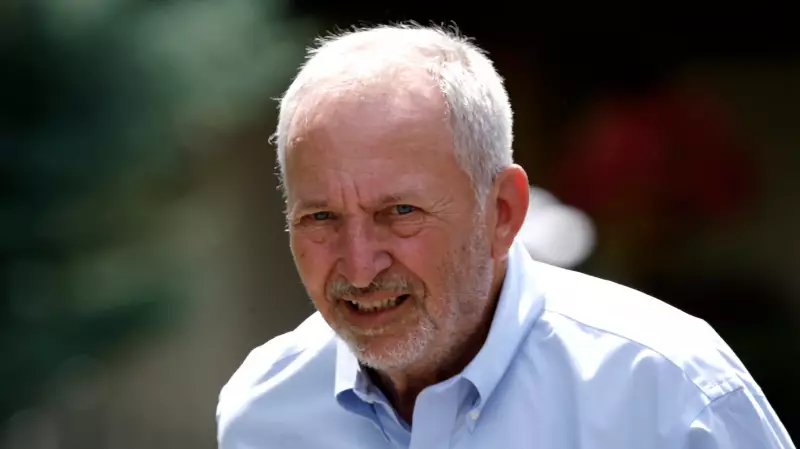
Lawrence H. Summers, the former U.S. Treasury Secretary and Harvard University president, declared on Monday that he would step back from all public commitments. This dramatic announcement comes just days after President Donald Trump ordered the Justice Department to investigate Summers' connections to convicted sex offender Jeffrey Epstein.
Personal Fallout from Epstein Documents
Summers revealed his decision to Harvard's student newspaper, The Crimson, stating he needed to "rebuild trust and repair relationships with the people closest to me." The House Oversight Committee recently released thousands of files related to Epstein, including personal correspondence between Summers and the disgraced financier.
"I am deeply ashamed of my actions and recognize the pain they have caused," Summers told The Crimson. "I take full responsibility for my misguided decision to continue communicating with Mr. Epstein." While maintaining his teaching responsibilities at Harvard, Summers will withdraw from his public roles as part of what he described as a "broader effort" to address the situation.

Political Ramifications and Broader Investigation
The Epstein scandal has created significant political complications for the Trump administration. Many Trump supporters believe administration officials have concealed Epstein's connections to powerful figures and obscured details surrounding his 2019 suicide in a Manhattan jail. The U.S. House of Representatives plans to vote on Tuesday regarding the release of additional investigative files about Epstein.
Summers, a prominent Democrat, served as Treasury Secretary under President Bill Clinton and directed the National Economic Council for President Barack Obama. His current positions include serving on the board of OpenAI and as a director of Harvard Kennedy School's Mossavar-Rahmani Center for Business and Government.
Neither OpenAI nor Harvard University immediately responded to requests for comment about Summers' announcement. The former economist also did not provide additional statements beyond his published remarks in The Crimson.