Poilievre's Conservatives Face Internal Divisions Despite Recent Convention
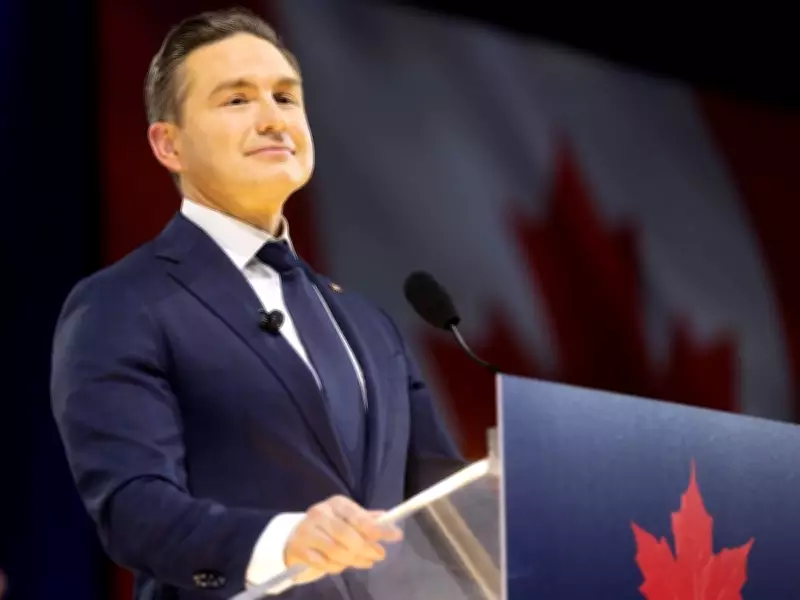
Just three weeks after their National Conservative Convention in Calgary appeared to resolve leadership questions, the Conservative Party finds itself grappling with familiar problems, with Pierre Poilievre at the center of ongoing internal tensions.
Overwhelming Approval Vote Fails to Unify Party
The Conservative leader sailed through his mandatory performance review with an impressive 87 percent approval vote from party members. Such a substantial endorsement would typically signal strong command and unity within political ranks. However, the reality has proven more complex for Poilievre's Conservatives, who continue to face multiple challenges that threaten party cohesion.
Multiple Sources of Internal Conflict
The party's difficulties stem from several distinct but interconnected issues:

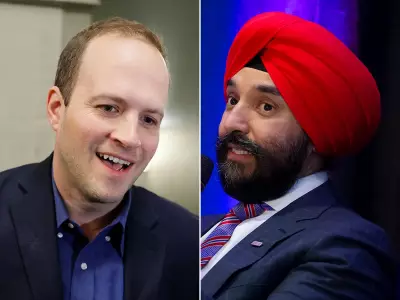
- Jamil Jivani's Independent Actions: The junior Member of Parliament created significant embarrassment for the party leadership with an unauthorized trip to Washington, where he engaged with U.S. political figures who have repeatedly sought to undermine Canada. Poilievre's response—a mild admonition rather than a firm rebuke—raised questions about his control over caucus members.
- Defections to the Liberals: A growing line of Conservatives have abandoned the party to join Prime Minister Mark Carney's Liberals, with Alberta MP Matt Jeneroux becoming the third defection in three months. Jeneroux cited Carney's Davos speech as particularly persuasive, claiming remaining with the Conservatives felt like "sitting on the sidelines."
- Popularity Gap: A significant divide exists between the highly popular Prime Minister Carney and the less popular Poilievre, with Conservative support reaching what observers describe as "new lows" in recent polling.
- Leadership Response: Perhaps most concerning for Conservatives is Poilievre's apparent inability to effectively address these challenges, despite the party's post-convention declaration of renewed focus on kitchen table issues like crime, inflation, housing, and jobs.
Strategic Challenges and External Pressures
The Conservative Party faces additional complications from external political dynamics. Prime Minister Carney's commanding lead in approval polls has sparked speculation about a potential early election call, despite it being less than a year since the last federal election. With such favorable numbers, the temptation for an opportunistic election call becomes increasingly difficult to resist.
Meanwhile, Poilievre has been forced to divert significant attention from policy development to managing internal party discipline. His handling of the Jivani situation—where he stated "He speaks for himself, and I speak for the party"—has raised questions about why a junior MP would be permitted to conduct independent foreign policy initiatives without stronger consequences.
Underlying Strategic Fault Lines
Jeneroux's defection comment about "sitting on the sidelines" points directly to a fundamental strategic weakness in Poilievre's Conservative approach. The party has yet to articulate a substantial response to growing threats from the United States and the broader dangers these represent to Canadian interests. This policy vacuum creates opportunities for dissent and defection among party members seeking more proactive leadership.
The Calgary convention, held on January 30, 2026, was intended to project unity and renewed purpose. Instead, the weeks following have revealed persistent divisions that continue to challenge Poilievre's leadership and the Conservative Party's ability to present a cohesive alternative to Carney's government.