Alberta's 2026 Budget Projects $9.4 Billion Deficit, Breaking Fiscal Framework Rules
The Alberta government has unveiled its 2026 budget, projecting a substantial $9.4 billion deficit that directly violates its own fiscal framework regulations. This marks the province's second consecutive multi-billion dollar shortfall, with no clear recovery strategy in place as oil prices remain persistently low.
Finance Minister Acknowledges Difficult Fiscal Reality
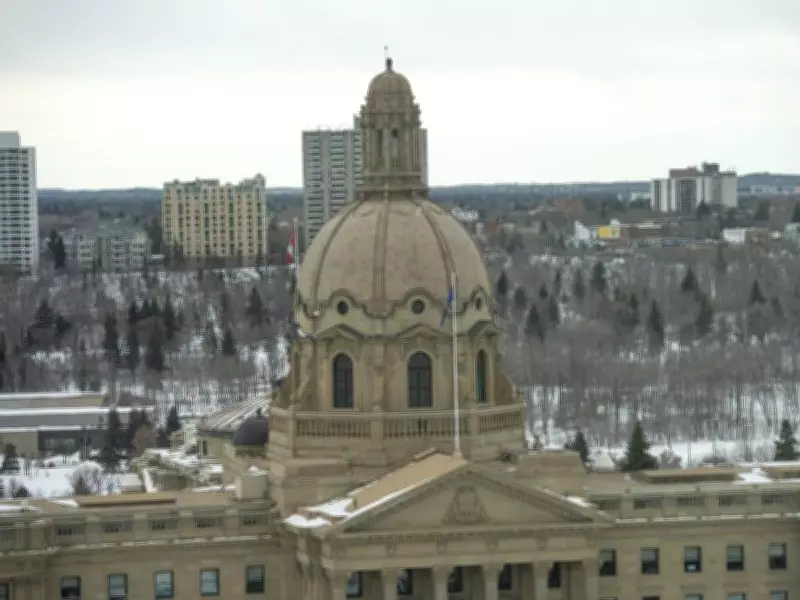
Finance Minister Nate Horner presented the budget titled "Focused on What Matters" in the legislature on Thursday afternoon, acknowledging the challenging economic circumstances facing the province. "We're trying to show some balance in meeting the needs of Alberta right now," Horner stated during the announcement. "I recognize this is a tough pill to swallow."
The minister indicated he was preparing for a "tough year" ahead, with the deficit expected to continue for several years. Budget projections show deficits of $7.6 billion and $6.9 billion in the two subsequent fiscal years, which would represent four consecutive years of fiscal shortfalls for the province.

Breaking Fiscal Framework Requirements
The projected deficit significantly exceeds the government's own fiscal framework limitations in multiple ways. First, it violates the requirement for a return to surplus within three years. Second, the $9.4 billion shortfall surpasses the framework's allowable deficit size by more than $4 billion.
Horner confirmed the government would be reviewing its fiscal rules in light of these developments. "It'll bring forward a lot of conversations about where we go from here," he explained. "If we have to amend them, we will. I want to find some rules that continue to constrain us, but allow us the flexibility to do what Alberta needs."
Population Growth and Debt Projections
The finance minister pointed to Alberta's significant population growth in recent years as a contributing factor to the budgetary pressures. While this growth is beginning to generate tax revenue, Horner noted that overhauled federal immigration policies have reduced growth rates from nearly five percent in 2024 to just over one percent currently.
"There's a real appetite to just look across the system when you're looking at Alberta, about who's here, who's paying taxes, who's using the services," Horner remarked regarding the demographic challenges.
The province's total debt for 2026-27, including both taxpayer and self-supported debt, is forecast to increase by $17.9 billion beyond previous estimates, reaching $128.7 billion. This represents a substantial 16 percent increase in provincial debt. Over the next two fiscal years, the debt figure is projected to grow by an additional $30 billion, with debt servicing costs exceeding $1.4 billion during that period.
Credit Rating and Economic Outlook
Despite the significant debt accumulation, Horner expressed confidence in the province's financial standing. "We think we're well within the range of our current credit," he stated regarding Alberta's debt load.
The budget announcement comes amid ongoing economic challenges for the province, particularly related to energy sector volatility and changing demographic patterns. The government's decision to table a budget that breaks its own fiscal rules signals a significant shift in economic policy approach, prioritizing immediate needs over previously established fiscal constraints.