Alberta's 2026 Budget Unveils Major Deficit and Spending Priorities
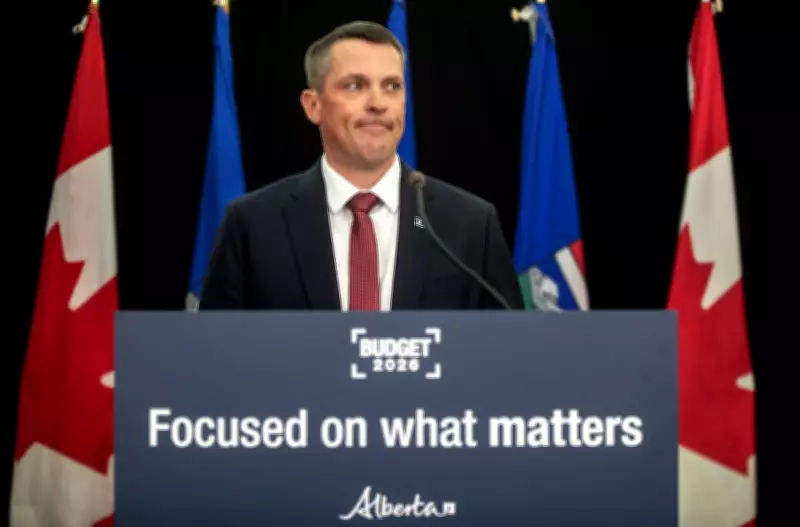
Alberta Finance Minister Nate Horner presented the province's 2026 budget on February 26, 2026, in Edmonton, outlining a financial plan marked by substantial spending, a growing deficit, and increases in various fees. The budget forecasts a deficit of $9.4 billion for the 2026-27 fiscal year, with projections indicating the province will remain in the red for the next three years.
Deficit Details and Economic Context
The $9.4 billion deficit represents a significant expansion from previous estimates, reflecting increased expenditures across multiple sectors. This shortfall is attributed to ambitious spending initiatives aimed at addressing pressing needs in healthcare and other public services. The budget acknowledges the economic challenges facing Alberta, including fluctuating resource revenues and broader national economic pressures.
Minister Horner emphasized that the deficit is a necessary step to fund critical investments, stating that the government is prioritizing long-term stability over short-term fiscal balance. The budget includes measures to manage debt levels, but analysts warn that sustained deficits could impact Alberta's credit rating and future borrowing costs.

Health Sector Investments
A cornerstone of the budget is a $2.3 billion allocation to establish a new crown corporation dedicated to overseeing Alberta's health agencies. This move aims to streamline healthcare delivery, improve efficiency, and enhance patient care across the province. The funding will support:
- Infrastructure upgrades for hospitals and clinics
- Recruitment and retention programs for healthcare professionals
- Digital health initiatives to modernize patient records and telehealth services
This investment comes amid ongoing concerns about healthcare accessibility and wait times in Alberta, with the government hoping the new corporation will address systemic issues.
Fee Hikes and Revenue Measures
To help offset the deficit, the budget introduces increases in various fees, affecting sectors such as:
- Driver's license and vehicle registration fees
- Parking permits and recreational facility charges
- Business licensing costs for small enterprises
These hikes are expected to generate additional revenue, though they may place a burden on households and businesses already grappling with inflation. The government defends the measures as essential for maintaining public services without resorting to broad-based tax increases.
Broader Implications and Reactions
The budget has sparked mixed reactions, with supporters praising the focus on healthcare and critics warning about the long-term fiscal risks. Opposition parties have raised concerns about the sustainability of the deficit, calling for more prudent spending and alternative revenue strategies.
In the context of other provincial budgets, such as Manitoba's promise of "big ticket items" and Ontario's investments in infrastructure, Alberta's plan highlights regional variations in fiscal policy across Canada. The budget also aligns with national trends of increased healthcare spending, as seen in federal initiatives and other provinces.
Looking ahead, the success of this budget will hinge on Alberta's ability to manage its deficit while delivering on promised services. Key factors include economic growth, resource price stability, and effective implementation of the new health crown corporation. The government plans to review progress annually, with adjustments possible based on changing economic conditions.