Alberta's 2026 Budget Deficit Threatens Fiscal Guardrails Amid Oil Price Volatility
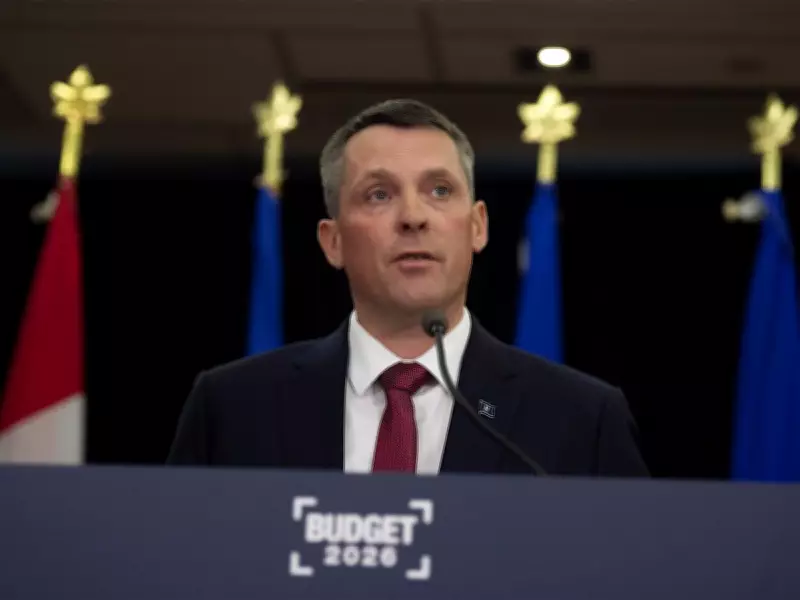
Alberta's newly unveiled budget for the 2026-27 fiscal year is on a collision course with the province's own fiscal guardrails, projecting a staggering $9.4 billion deficit. Finance Minister Nate Horner presented the financial blueprint on Thursday, highlighting a persistent reliance on volatile oil and gas revenues that has plagued the province's finances repeatedly over time.
Deficit Projections Paint Bleak Fiscal Picture
The budget reveals a tsunami of red ink that extends well beyond the upcoming fiscal year. Deficits are forecast to continue falling like raindrops in subsequent years, with $7.6 billion projected for 2027-28 and $6.9 billion for 2028-29. When combined with the current year's expected deficit, Alberta faces four consecutive years of bruising budgets totaling approximately $28 billion in spending exceeding revenues.
There is no clear path back to budget surplus, according to the financial projections. This represents a dramatic reversal from just three years ago in 2023, when oil prices were high, the economy was strong, and multibillion-dollar surpluses seemed to be legislating away long-term deficits.

Fiscal Framework Under Threat
The UCP government's fiscal framework, introduced in 2023 by former finance minister Travis Toews, appears likely to be broken by these projections. The framework was designed to secure Alberta's future by requiring balanced budgets, limiting operating expense growth, and establishing rules to pay down maturing debt.
One key rule requires the province to return to balance within three years of reporting a deficit in its year-end financial statement. Through complex calculations, the framework also limits the size of deficits in new budget years. The current projections exceed these limits by approximately $4.5 billion.
"I recognize that this is a tough pill to swallow, but this deficit reflects our commitment to providing top quality services while managing substantial drops to the price of oil," Horner told reporters during the budget announcement.
Oil Price Dependency Creates Persistent Vulnerability
The fundamental problem underlying Alberta's fiscal challenges remains unchanged: the province depends too heavily on unpredictable oil and gas prices for a substantial portion of its revenues. When oil prices plummet, as they have recently, the provincial budget suffers immediate and severe consequences.
Horner challenged critics during his presentation, stating, "If anybody can point to $4.5 billion that they would have had me cut out of this budget to stay within the rules — and think that that's in the best interest of Albertans or what Albertans want — they should show me where."
Historical Context and Future Implications
The 2023 fiscal framework was celebrated as a mechanism to ensure fiscal responsibility across future governments. It included provisions to use budget surpluses for debt repayment and savings accumulation. However, with the books not yet closed on the 2025-26 budget year — which is forecast to exceed $4 billion in deficit — the province appears poised to miss its own fiscal targets.
This situation leaves the government with limited options. While the fiscal guardrails were established to create long-term stability, the government retains the ability to simply change the rules if it cannot meet its commitments. The coming months will reveal whether Alberta chooses to maintain its fiscal framework through difficult cuts or modifies its approach to accommodate persistent deficits driven by energy market volatility.