Alberta Premier's Strategic Referendum Move Aims to Strengthen Provincial Powers
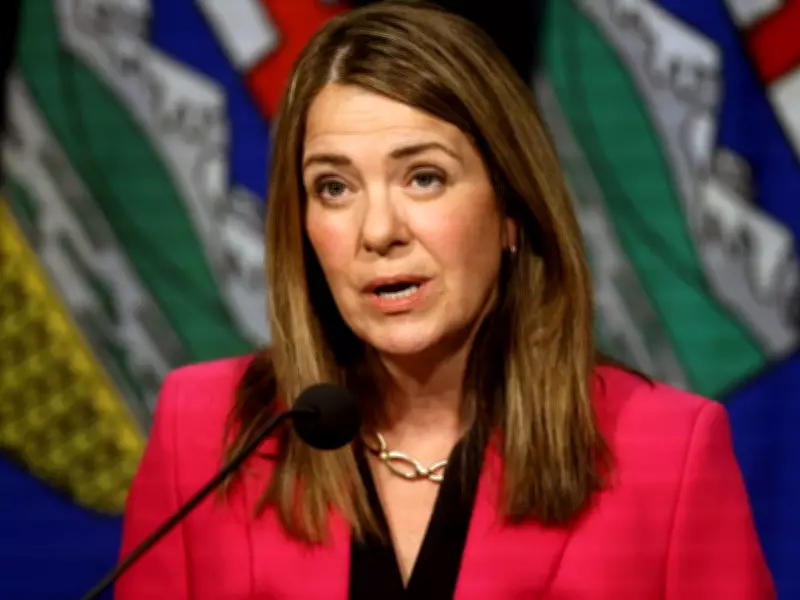
In a significant political maneuver, Alberta Premier Danielle Smith has announced a multi-part referendum scheduled for October this year, which analysts are describing as a crafty strategic move to address growing tensions within Canadian federalism. The referendum will not focus on Alberta separation, but rather on enhancing provincial control over critical areas such as health, education, immigration, and judicial appointments.
Rebalancing Confederation Through Direct Democracy
The central theme of Premier Smith's address to the province on Thursday evening was the rebalancing of Confederation, aiming to grant provinces greater authority over matters that directly impact their residents. This initiative comes at a time when federalism has been drifting toward a stronger central government and weaker provincial governments for decades, according to political observers.
The brilliance of Smith's move lies in its pre-emptive nature, offering voters an alternative to separatism by advocating for a united Canada with enhanced provincial powers. This approach mirrors the authority already granted to Quebec over immigration, positioning Alberta to assert similar control.

Immigration as a Key Focus
One of the referendum's key components will address immigration levels and composition, with Smith proposing to decrease immigration to more sustainable levels, prioritize economic migration, and ensure Albertans have first priority for new employment opportunities. This proposal responds to dual funding pressures in the upcoming budget, driven by rising population and falling oil prices.
Smith's immigration plan essentially revives the federal program that operated for over 40 years from the early 1980s, before the Justin Trudeau administration's doors-wide-open policy implemented from 2022 onward. Historically, Ottawa admitted only the number of new Canadians each year that could be sustained by reasonable economic growth, with priority given to immigrants possessing skills not found in sufficient numbers within Canada.
Addressing Population Growth and Fiscal Strains
The Trudeau Liberals' immigration policy over the last three years has seen a dramatic increase in foreign workers, refugees, foreign students, and citizen-track immigrants, more than tripling previous levels. From 2020 to 2025, Canada's population grew by 34.6 percent, nearly a full one-third increase, according to data analysis.
David Coletto of Abacus Data calculated that this growth rate was more than double that of the next highest country, Austria, which grew by 14.5 percent. The average population growth across 11 developed nations studied was five percent, meaning Canada's rate was seven times the multinational average.
This unprecedented population surge has placed significant strain on provincial treasuries, which bear the costs of health, education, and welfare for millions of new Canadians. The resulting pressures have driven up housing prices and overcrowded schools, hospitals, and welfare offices across the country.
Political Implications and Media Perceptions
Despite concerns that media outlets might frame Smith's agenda as racially motivated, the premier emphasized that her focus is purely on practical governance and fiscal responsibility. The referendum represents a strategic effort to address these challenges through democratic means, rather than pursuing separatist ambitions.
By giving voters a direct say in provincial powers, Smith's initiative aims to strengthen Alberta's position within Confederation while avoiding the divisive path of separation. This move is seen as a welcome change in direction for federalism, potentially setting a precedent for other provinces seeking greater autonomy in a united Canada.