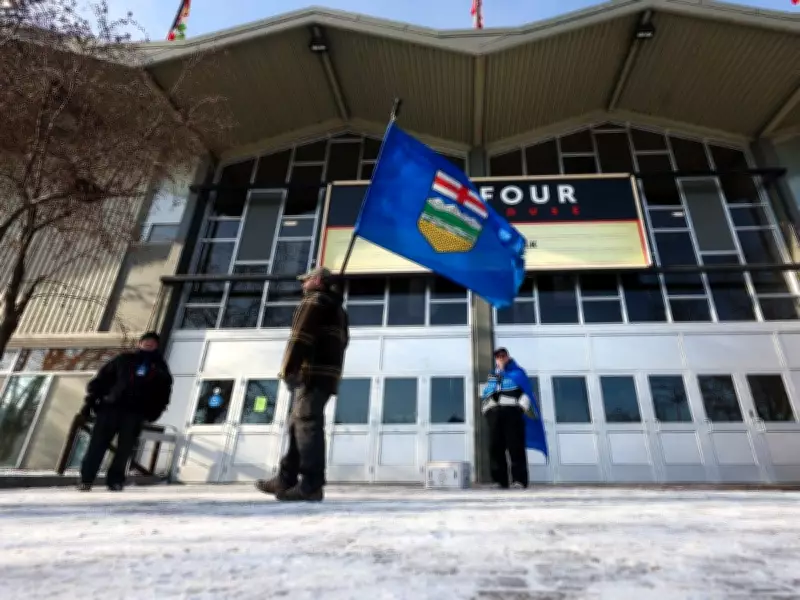
The political climate surrounding Alberta separatism has escalated dramatically, with emotions running high and public discourse becoming increasingly polarized. While temperatures outside may be mild, the internal debate over Alberta's potential independence from Canada has generated its own intense heat wave of controversy and concern.
Polling Data Reveals Stark Divisions
A recent Scope Research poll has quantified the growing divide, finding that 33 percent of respondents believe Alberta should separate from Canada, while 54 percent advocate for remaining within the federation. The remaining participants expressed uncertainty or declined to commit to a definitive position. These numbers have fueled an already volatile conversation about Alberta's future relationship with the rest of Canada.
The Fear Factor in Public Discourse
Political figures have amplified anxieties surrounding potential separation. Thomas Lukaszuk, former deputy premier under Alison Redford's government and organizer of the successful "Forever Canadian" petition that garnered over 400,000 signatures, has employed stark imagery to dissuade separatist sentiments. On social media platforms, he has asked Albertans to contemplate the potential collapse of housing prices in an independent Alberta, envisioning multiple "for sale" signs on every residential block.

Lukaszuk further warns that federal employees would need to relocate if Alberta pursued independence, potentially disrupting communities as "family members, neighbours, your kid's coach — gone." He has also raised provocative questions about separatists allegedly seeking assistance from former U.S. President Donald Trump to establish a military force, questioning whether such an army would ultimately confront Canadian forces.
Previous Polling Sparks Controversial Projections
The current debate builds upon earlier polling from Angus Reid that ignited widespread discussion. That survey indicated approximately half of Albertans polled would consider leaving the province if it achieved independence. Some analysts extrapolated these figures to suggest up to 2.5 million residents might depart, with particularly significant numbers projected in Calgary and Edmonton—cities with substantial concentrations of NDP and Liberal supporters.
One particularly striking claim circulating in the debate suggests that 58 percent of women would exit an independent Alberta, though the methodology behind this calculation remains subject to scrutiny.
Political Leaders Weigh In
Former premier Jason Kenney, while acknowledging that many dismiss the more extreme projections as implausible, has cautioned against treating the situation lightly. Known affectionately to some as "Professor Kenney" for his detailed policy knowledge, he emphasizes that the potential economic consequences—including declining property values following a hypothetical independence vote—represent serious matters rather than subjects for amusement.
NDP Leader Naheed Nenshi has also entered the fray, releasing a video statement that frames the debate in terms of Alberta abandoning "Team Canada." His Olympic-themed metaphor attempts to position separation as a rejection of collective national identity and cooperation.
Emotional Intensity and Unresolved Tensions
The emotional charge surrounding this issue has become palpable, with observers noting that passionate responses seem to transcend digital interfaces and permeate public consciousness. Despite hopes that earlier expressions of concern might represent a temporary peak in agitation, the temperature of the debate has continued to rise rather than subside.
As Alberta grapples with these fundamental questions about its political future, the conversation shows no signs of cooling. With significant portions of the population holding diametrically opposed views about separation, and political figures leveraging both data and dramatic imagery to advance their positions, the province finds itself navigating one of the most contentious periods in its recent political history.