Alberta separatist groups are poised to deliver thousands of signatures to the provincial government, demanding a referendum on whether the province should secede from Canada. The petition, which has been circulating for months, reflects growing frustration among some Albertans over federal policies, particularly in energy and resource development.
Petition Delivery Expected This Week
Organizers plan to submit the signatures to the Alberta legislature in Edmonton later this week. The exact number of signatures has not been disclosed, but sources close to the movement indicate that it exceeds the threshold required to trigger a legislative debate. Under Alberta's petition rules, a minimum of 10 percent of the population in the previous election must sign to force a vote.
Separatist Movement Gains Traction
The push for separation has gained momentum in recent years, fueled by disputes over federal carbon taxes, environmental regulations, and what some perceive as Ottawa's neglect of Western interests. Groups like 'Alberta First' and 'Wexit Alberta' have been at the forefront, organizing rallies and online campaigns.

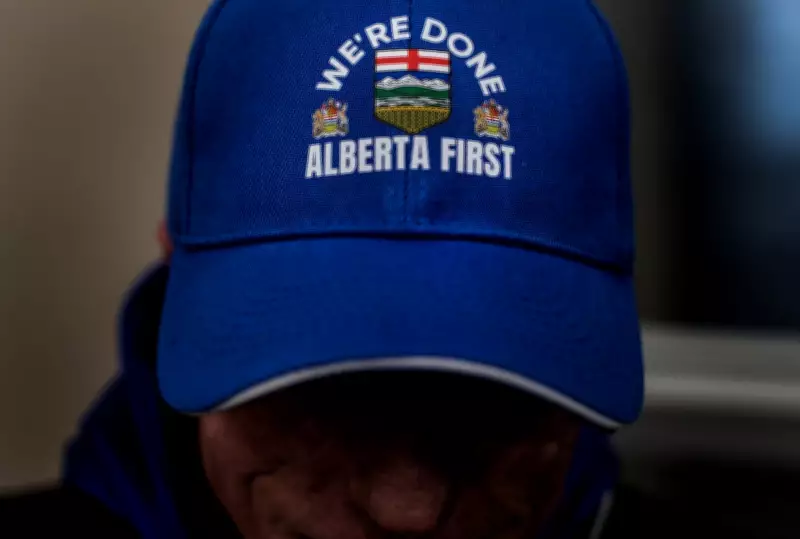
In January 2026, supporters gathered in Stony Plain, Alta., to sign the petition, with many wearing 'Alberta First' hats and waving provincial flags. The movement's leaders argue that Alberta's contributions to the Canadian economy—particularly through oil and gas revenues—are not fairly returned to the province.
Political Reactions Mixed
Premier Danielle Smith has previously expressed sympathy for some separatist grievances but stopped short of endorsing secession. Her government has focused on negotiating greater autonomy within Confederation, including demands for a 'fair deal' on equalization and resource control.
Federal officials, including Prime Minister Mark Carney, have dismissed the separatist push, emphasizing national unity. Opposition leader Pierre Poilievre has criticized the Liberal government for fueling Western alienation through its policies.
What Happens Next?
If the petition is validated, the Alberta legislature must debate the referendum question. However, a secession vote would require amending the Canadian Constitution, which needs approval from the federal government and other provinces—a process widely seen as politically unfeasible.
Political analysts suggest that while the petition may not lead to actual separation, it serves as a powerful statement of discontent. Similar movements in Quebec and the Western provinces have historically used referendums to leverage political concessions rather than achieve independence.
The delivery of signatures marks a symbolic milestone for Alberta separatists, who vow to continue their campaign regardless of the outcome. The coming weeks will test the depth of support for secession and the resilience of Canadian federalism.