Alberta's Electoral Boundary Process Politicized to Favor Rural Ridings
Five years ago, an Elections Canada report recommended a redistribution of seats in the House of Commons, which ultimately granted Alberta three additional seats. This change might not have occurred under former Prime Minister Justin Trudeau's government, highlighting how political self-interest often influences electoral boundary decisions rather than impartial principles.
Historical Context and Political Interference
Parliament later passed legislation ensuring that provinces would never have fewer seats than they held during the 43rd Parliament, from December 2019 to August 2021. This move effectively nullified Elections Canada's recommendation to reduce Quebec's seat count, demonstrating that politics can never be fully removed from such processes.
In Alberta, these principles are now being severely tested. The provincial government's response to the latest recommendations for Alberta's electoral map risks establishing a troubling new precedent that undermines democratic integrity.

Unprecedented Rejection of Independent Commission
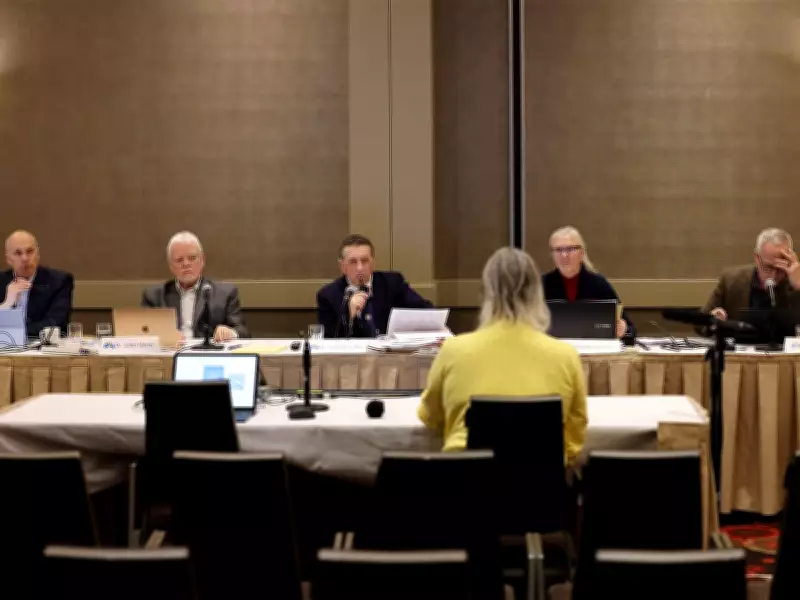
For the first time in Alberta's history, a government has rejected the electoral boundaries report delivered by an independent commission. Instead, the United Conservative Party government is proposing a new government-controlled committee to draw up a fresh electoral map.
This decision ostensibly stems from differing opinions and recommendations within the commission. However, evidence suggests that some of this disagreement may have been orchestrated to serve political ends.
While the commission's majority produced a comprehensive report, the two UCP appointees on the commission presented a minority report with a different electoral map. Their proposed version would merge more than a dozen urban and rural ridings, a move with clear political implications.
Political Motivations Behind Boundary Changes
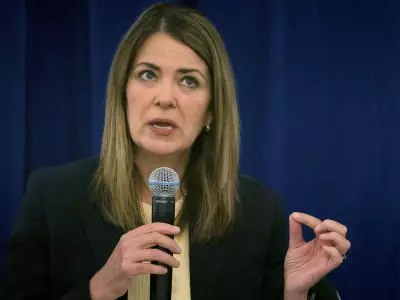
Given the UCP's strong support in rural Alberta and the competitive nature of urban centres, the political motivation behind such boundary changes appears transparent. Premier Danielle Smith insists that her government isn't accepting the minority report, claiming her motivation is to address the loss of two rural ridings in the majority's proposed map.
This approach would expand the legislature from 89 to 91 seats, contrary to the commission's recommendations. Court of King's Bench Justice Dallas Miller, who chaired the commission, suggested that if MLAs disagreed with the removal of the two seats, they could reinstate them and add two more ridings. However, he emphasized that the majority's proposed map "must be maintained to the extent possible."
Uncertain Future for Alberta's Electoral Map
The final appearance of the government's electoral map remains unknown as this new process unfolds. As committee member Greg Clark noted, "what we can't do is simply drop two new seats onto an existing map." This highlights the complexity and potential for manipulation in redrawing electoral boundaries.
This situation raises significant concerns about the politicization of what should be a straightforward, impartial process. The UCP's actions suggest a deliberate effort to boost rural representation at the expense of urban competitiveness, potentially altering the political landscape for years to come.