Auditor General Exposes B.C.'s Inadequate Support for Lytton After Devastating 2021 Wildfire
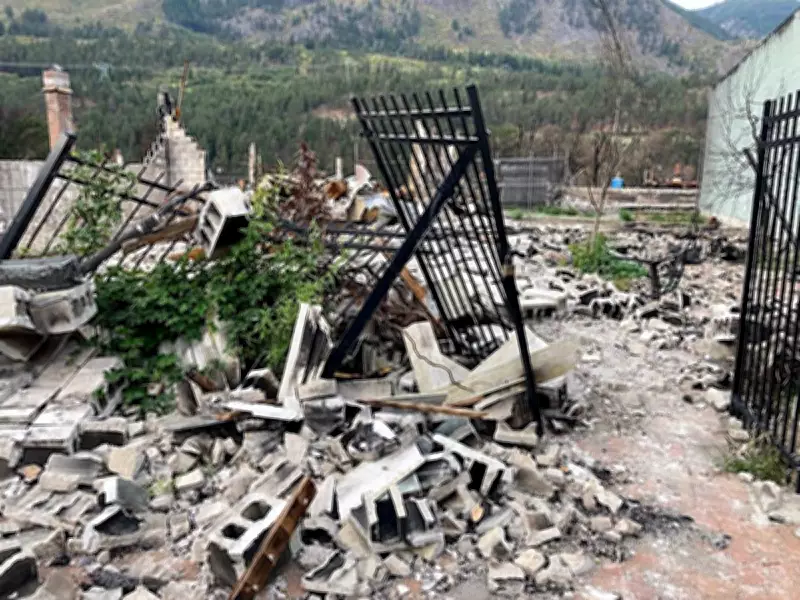
In a critical report released this week, British Columbia's auditor general, Bridgit Parrish, has revealed that the provincial government largely expected the village of Lytton to rebuild independently following a catastrophic wildfire in 2021. The fire, which occurred five years ago, leveled nearly all homes in the community, claimed two lives, and caused significant damage to local First Nations territories.
Lack of Comprehensive Framework Hindered Recovery Efforts
Parrish's investigation found that the NDP government did not have a comprehensive legal framework to guide disaster recovery at the time of the June 2021 wildfire. "The situation in the village of Lytton was complex and unprecedented, nearly the entire community was destroyed," Parrish stated. "The province's legislation and policy was not sufficient to support recovery on that scale."
The report highlights that the village, with limited staff and resources, struggled to manage the monumental task of rebuilding. Compounding the crisis, 60 percent of residents lacked insurance to cover their losses, leaving many without financial means to recover.

Funding Shortfalls and Delayed Permits
Lytton faced significant challenges in accessing provincial funding programs. According to the auditor general, the community was unable to properly leverage the disaster financial assistance program, ultimately receiving only $48,000 for a right-of-way survey and debris removal. This amount fell far short of what was needed to address the widespread destruction.
Rebuilding progress has been painfully slow. As of March 2025, only 33 building permits had been issued by the Village of Lytton. The first permit wasn't granted until October 2023—more than two years after the fire—highlighting the prolonged delays in recovery efforts.
Indigenous Collaboration and Archaeological Costs
The report identified a critical failure in provincial coordination between Lytton officials and the Nlaka'pamux Nation, within whose traditional territory the village lies. This lack of collaboration exacerbated recovery challenges, particularly regarding archaeological work mandated by the Heritage Conservation Act.
Residents have faced astronomical costs for archaeological surveys required to ensure homes weren't rebuilt on Indigenous remains or artifacts. Mayor Denise O'Connor reported that costs ranged from $26,000 to $46,000 per home, with one resident receiving a quote as high as $82,000. While provincial funding now offers up to $20,000 per person to cover these expenses, homeowners and business owners remain responsible for the remaining costs.
Recommendations for Future Disaster Response
Parrish's report includes several key recommendations to prevent similar shortcomings in future disasters:
- Develop a comprehensive framework to guide recovery funding decisions
- Create clear guidance for local authorities on the use of provincial funds
- Provide better training for local authorities to coordinate with First Nations
- Establish protocols for timely distribution of promised financial support
Despite the challenges, there are signs of progress. Mayor O'Connor noted that 30 homes above the highway survived the fire, and 17 new homes in the village core are now occupied. The local Legion is expected to open in May, offering a community gathering space as Lytton continues its slow journey toward recovery.
The auditor general's findings underscore the need for systemic improvements in British Columbia's disaster response mechanisms, ensuring that communities like Lytton receive adequate support when facing unprecedented destruction.