British Columbia's 2026 Budget Draws Immediate Backlash from Multiple Sectors
The recently unveiled 2026 budget for British Columbia has sparked swift and significant criticism from business leaders, senior citizens' advocates, and political opponents across the province. The budget, which was presented to the public on February 17, 2026, has been met with particular concern from the business community regarding its potential impact on economic growth and competitiveness.
Business Community Voices Strong Disapproval
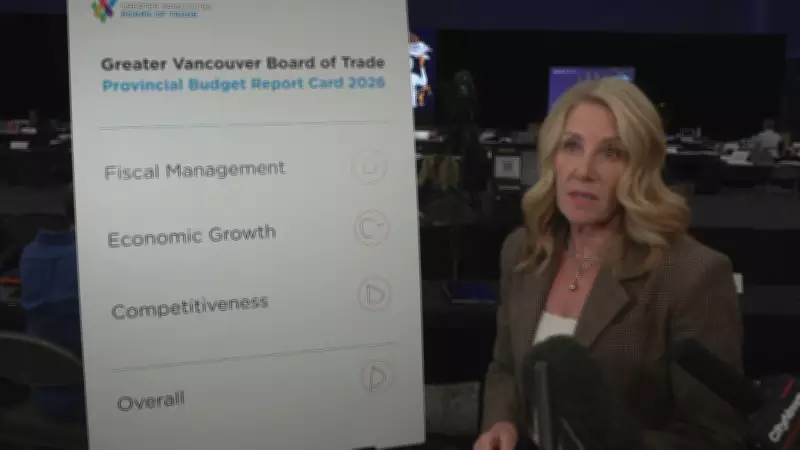
Bridgitte Anderson, president of the Greater Vancouver Board of Trade, delivered one of the most pointed critiques, assigning the provincial government a 'D' grade for its budgetary approach. Anderson expressed deep concerns about the budget's implications for business operations and investment in British Columbia, suggesting that the government's fiscal plan fails to adequately support the private sector during a period of economic uncertainty.
The business community's dissatisfaction centers on several key aspects of the budget, including tax increases and what many perceive as insufficient measures to stimulate economic growth. Business leaders argue that the budget places undue burden on enterprises that are already navigating challenging market conditions.

Record Deficit and Tax Increases Spark Concern
The 2026 budget reveals a record-breaking $13-billion deficit, a figure that has alarmed both fiscal conservatives and those concerned about long-term economic stability. Accompanying this substantial deficit are tax rate increases that have further fueled criticism from various stakeholders.
Seniors' advocacy groups have joined the chorus of disapproval, expressing worries about how the budget's provisions might affect older residents living on fixed incomes. The combination of tax hikes and what some describe as inadequate support for vulnerable populations has created a multifaceted opposition to the government's fiscal plan.
Political Opposition Mounts Across Party Lines
Political rivals have seized upon the budget's perceived shortcomings, with opposition parties launching coordinated critiques of the government's financial strategy. These political opponents argue that the budget fails to address pressing economic challenges while simultaneously increasing the financial burden on both businesses and individual taxpayers.
The criticism extends beyond traditional partisan lines, with various interest groups expressing disappointment with specific budgetary allocations and policy directions. The breadth of opposition suggests significant challenges ahead for the government as it attempts to implement its fiscal agenda.
Broader Context of Provincial Budgeting
The British Columbia budget controversy emerges against a backdrop of similar fiscal challenges facing other Canadian provinces. Notably, Alberta's premier has recently warned of a looming deficit ahead of a televised address, highlighting the widespread nature of budgetary pressures across Western Canada.
Economic analysts note that provincial governments nationwide are grappling with balancing fiscal responsibility against growing demands for public services and infrastructure investment. The British Columbia budget represents one approach to this complex challenge, though its reception suggests significant disagreement about the appropriate path forward.
As the debate continues, stakeholders across British Columbia are closely monitoring how the government responds to the criticism and whether any adjustments might be made to address the concerns raised by business leaders, seniors advocates, and political opponents.