British Columbia's 2026 Budget Unveiled Amid Economic Challenges
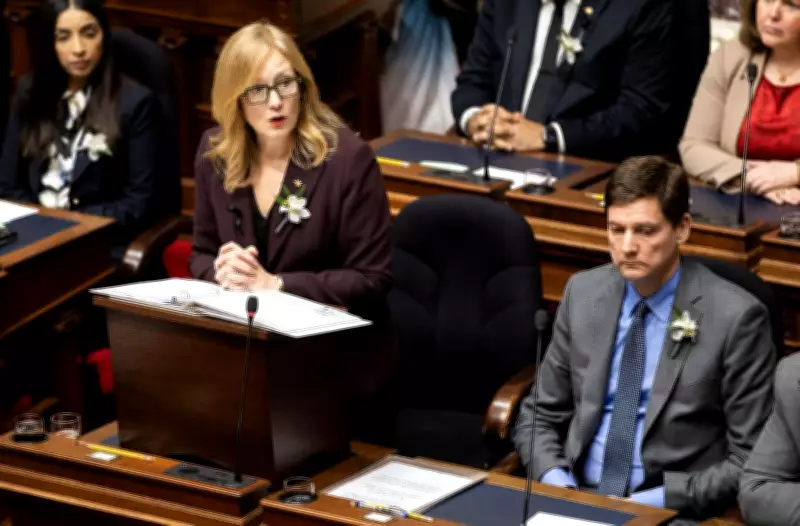
The British Columbia government has tabled its 2026 provincial budget, a financial plan that is already proving to be a tough sell for many stakeholders. Presented by Finance Minister Brenda Bailey in the legislature in Victoria on February 17, 2026, with Premier David Eby in attendance, the budget outlines significant fiscal measures including tax hikes and a record deficit, while also acknowledging delays in construction projects.
Key Budget Components and Immediate Reactions
The budget introduces a series of tax increases aimed at bolstering provincial revenues, though specific details on which taxes are affected remain under scrutiny. This move comes as the province grapples with a record deficit, reflecting ongoing economic pressures and increased spending in areas such as healthcare and infrastructure. However, the announcement of construction delays has added to concerns about the government's ability to deliver on its promises efficiently.
Business groups have been quick to criticize the budget, arguing that higher taxes could stifle economic growth and deter investment in the region. Senior advocacy organizations have also voiced opposition, fearing that increased costs will disproportionately impact older residents on fixed incomes. Political rivals have seized on the budget as a point of contention, accusing the government of fiscal mismanagement and failing to address the needs of British Columbians effectively.

Broader Context and Comparative Analysis
This budget release occurs against a backdrop of similar financial challenges in other provinces. For instance, Alberta's premier has recently warned of a looming deficit, highlighting widespread fiscal strains across Canada. In British Columbia, the combination of tax hikes and a large deficit raises questions about long-term sustainability and the potential impact on public services.
The swift criticism underscores the delicate balance governments must strike between revenue generation and public support. As debates unfold in the legislative assembly, the focus will be on how Minister Bailey and Premier Eby defend their financial strategy and whether adjustments might be made in response to feedback from various sectors.
Looking Ahead: Implications for Policy and Public Perception
With the budget now tabled, the coming months will be crucial for assessing its real-world effects. Key areas to watch include:
- The implementation of tax changes and their economic repercussions.
- Progress on construction projects amid reported delays.
- Public opinion shifts as residents and businesses adjust to new fiscal realities.
- Political dynamics, as opposition parties leverage budget concerns in upcoming discussions.
Ultimately, this budget represents a pivotal moment for British Columbia's economic direction, with its success or failure likely to influence future policy decisions and electoral outcomes. Stakeholders across the province will be monitoring developments closely as the government navigates these complex financial waters.