The British Columbia government under Premier David Eby has unveiled its 2026 provincial budget, presenting a substantial projected deficit of $13.3 billion alongside multiple tax increases. For a province already grappling with tax competitiveness issues, these measures represent a significant burden for residents and businesses alike.
Detailed Breakdown of Tax Changes
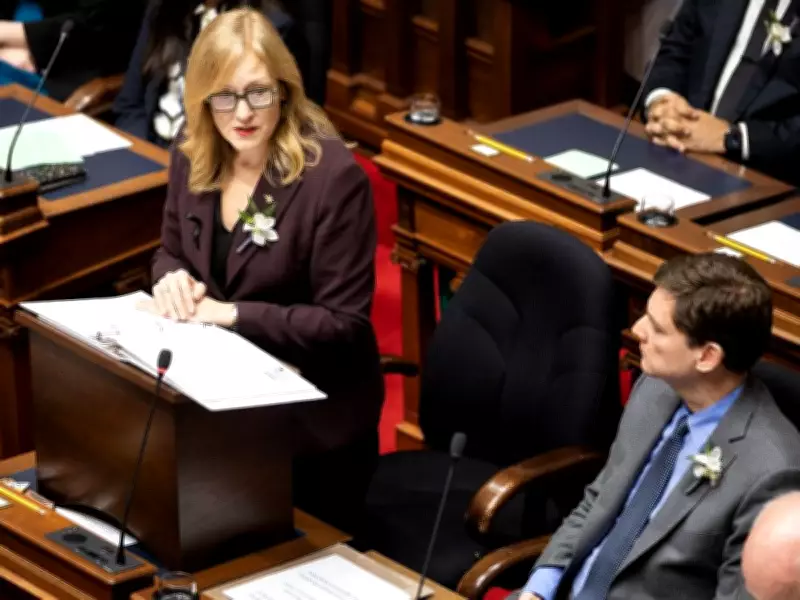
Finance Minister Brenda Bailey presented the budget in the legislative assembly, with Premier Eby in attendance. The comprehensive tax package includes several key changes that will directly impact British Columbians' finances.
Specific Tax Adjustments
The budget introduces multiple tax modifications:

- Increasing the lowest personal income tax rate from 5.06 percent to 5.6 percent
- Expanding the Provincial Sales Tax to cover various professional services including accounting and architecture
- Raising the speculation and vacancy tax by one percentage point
- Increasing the provincial portion of property taxes, commonly known as the "school tax," for homes valued over $3 million
Economic Implications of Higher Taxation
Elevated tax rates diminish incentives for productive economic activities such as entrepreneurship, employment, and investment, ultimately slowing economic growth. When professionals like doctors, engineers, and entrepreneurs decide where to establish their careers and businesses, tax considerations play a crucial role in their decision-making process.
Jurisdictions with more favorable tax structures possess a distinct advantage in attracting these high-skilled individuals who generate employment opportunities, stimulate economic expansion, and contribute to overall prosperity.
British Columbia's Current Tax Competitiveness
Unfortunately, British Columbia already faces significant challenges regarding tax competitiveness for both individuals and businesses. The province currently maintains the fourth-highest combined federal and provincial personal income tax rate among all ten Canadian provinces, reaching 53.5 percent for top income earners.
This rate substantially exceeds those of neighboring regions including Alberta, Alaska, and Washington state. British Columbia's personal income tax rates demonstrate uncompetitiveness across multiple income brackets, and the proposed increase to the bottom tax rate will only exacerbate the province's overall tax disadvantage.
Provincial Sales Tax Concerns
The Provincial Sales Tax structure presents additional competitiveness challenges. Unlike other provinces such as Ontario, which maintains an integrated sales tax with the federal GST that exempts business inputs, British Columbia's PST applies to a broad range of production inputs including equipment and new technologies.
Alberta operates without any provincial sales tax whatsoever. Due to British Columbia's unique PST design, the province imposes the highest investment tax burden in Canada, creating a more expensive business environment compared to other provinces. The expansion of PST to include professional services will further diminish the province's tax competitiveness.
Broader Economic Context
The tax increases arrive during a period of economic uncertainty for British Columbia. The province's per-person GDP, a crucial indicator of living standards, declined in both 2023 and 2024 after inflation adjustments. Housing affordability remains a persistent challenge across many regions, while healthcare wait times have reached unprecedented levels.
Educational performance has also suffered, with student test scores declining significantly in mathematics, science, and reading. These factors have contributed to a noticeable exodus of residents from the province. Additional tax burdens threaten to further suppress economic growth and reduce British Columbia's attractiveness as a place to live and work.
Conclusion
British Columbia confronts a serious tax competitiveness problem that impedes economic development and living standards. The Eby government's 2026 budget, with its emphasis on tax increases rather than addressing underlying competitiveness issues, moves in the opposite direction of what the province requires. These measures risk worsening existing economic challenges rather than providing solutions for sustainable growth and prosperity.