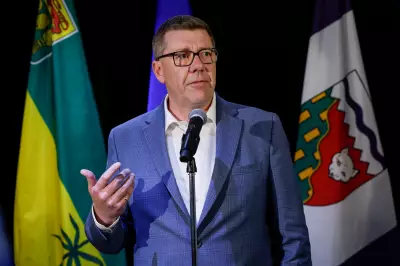
British Columbia's Opposition Conservative Party has confirmed they are engaged in discussions with Alberta regarding potential pipeline projects, according to party leader John Rustad. The revelation comes amid ongoing debates about energy infrastructure and interprovincial cooperation in Canada's western provinces.
Political Dialogue on Energy Infrastructure
John Rustad, the leader of B.C.'s Conservative Party, disclosed that his party has been actively communicating with Alberta officials about pipeline development. These discussions represent a significant political development in Western Canada's energy landscape, where pipeline projects have historically faced both support and opposition across provincial lines.
The talks between B.C.'s official opposition and Alberta government representatives signal a potential alignment on energy priorities between the two conservative-led provinces. Rustad's confirmation of these discussions highlights the ongoing importance of resource development in provincial political agendas.

Context and Background
The pipeline discussions occur against a backdrop of changing energy policies and economic considerations across Canada. British Columbia and Alberta have frequently found themselves on opposite sides of pipeline debates, making these current talks particularly noteworthy for energy sector observers.
Rustad's disclosure follows his recent media availability at the legislature in Victoria on October 29, 2024, where he addressed various post-election matters. The Conservative leader has positioned energy development as a key component of his party's platform, emphasizing the economic benefits of resource projects.
Potential Implications and Next Steps
While specific details of the pipeline discussions remain limited, the confirmation of dialogue between provincial representatives suggests a renewed focus on energy infrastructure cooperation. The outcome of these talks could have significant implications for Canada's energy sector and interprovincial relations.
Industry analysts will be watching closely for any formal agreements or policy announcements that might emerge from these discussions. The potential for collaborative energy projects between Alberta and British Columbia represents an important development in Western Canada's economic and political landscape.
As the discussions continue, both provinces face the challenge of balancing economic interests with environmental considerations and public opinion. The progress of these talks may influence future energy policy decisions and investment in Canada's resource sectors.