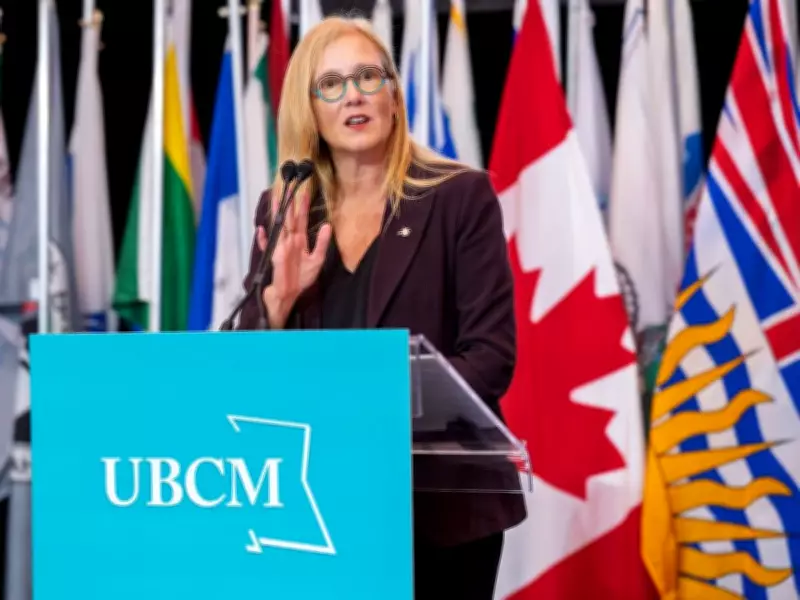
British Columbia Finance Minister Brenda Bailey has announced that the provincial government will implement additional human-resources measures to reduce the size of the public service workforce. This move comes as part of the preparation for Budget 2026, which Bailey describes as "very serious for serious times."
Workforce Reduction Strategies
On Sunday, Bailey confirmed that the government has already eliminated approximately 1,000 public sector positions over the past year through retirements and a hiring freeze. However, she indicated that more substantial cuts are necessary to address the province's fiscal challenges.
The finance minister stated that her upcoming budget presentation will introduce "additional HR tools" to further reduce the workforce. While she did not provide specific details, these measures are expected to include early-retirement offers and voluntary severance packages alongside the existing hiring freeze.

Scale of the Public Sector
The British Columbia public sector currently employs around 593,000 individuals, with approximately three-quarters of these workers belonging to unions. This substantial workforce represents a significant portion of provincial expenditures that the government aims to streamline.
Fiscal Challenges Driving Cuts
Bailey faces the daunting task of managing a record government deficit, substantial debt load, and escalating debt servicing costs. For the financial year ending March 31, 2026, projections indicate the government will have spent $11.2 billion more than it generated, accumulated $155 billion in debt, and allocated approximately $5.5 billion toward debt servicing.
The finance minister acknowledged that this record deficit is expected to increase over the next two fiscal years, creating urgent pressure for budgetary adjustments. She has previously stated that implementing these measures will likely make her "the least popular person in the province."
Protecting Core Services
Despite the planned workforce reductions, Bailey emphasized that the government will not cut core services, which include health care, education, and public safety. The health care system alone was forecast to cost around $35 billion for 2025-2026, representing 37 percent of expected government spending during that period.
Political and Economic Context
Bailey, who was appointed finance minister in November 2024, delivered her first budget on the same day that increased U.S. tariffs on certain Canadian products were imposed under President Donald Trump's administration. She described the current circumstances as "very challenging" for British Columbia's financial management.
The province's fiscal situation has deteriorated significantly since Premier John Horgan resigned due to illness in November 2022 and David Eby assumed leadership. At that transition point, the government maintained close to a $6 billion surplus, contrasting sharply with current deficit projections.
Public Response and Future Implications
Bailey noted that public opinion is divided regarding fiscal policy, with some advocating for substantial spending cuts while others support increased taxes to fund expanded services. The forthcoming budget aims to navigate these competing demands while addressing the province's structural financial challenges.
The workforce reduction initiative represents a significant shift in British Columbia's public sector management, potentially affecting thousands of employees and their families across the province. As Budget 2026 approaches, stakeholders will be closely monitoring how these measures are implemented and their impact on both public services and the provincial economy.