B.C. Government Adjusts Infrastructure Project Pace Amid Fiscal Pressures
British Columbia's NDP government announced a strategic slowdown in the pace of certain construction projects while maintaining capital spending at historic highs. Finance Minister Brenda Bailey emphasized that this adjustment does not equate to project cancellations but represents a measured approach to managing fiscal constraints.
Historic Spending Levels Amid Debt Concerns
The provincial budget reveals that capital expenditures on essential infrastructure including transit networks, highway systems, hospital facilities, and educational institutions will remain at unprecedented levels. However, this sustained investment contributes significantly to the province's growing debt burden, with projections indicating an increase of over $72 billion in taxpayer-supported debt across the next three fiscal years—representing a substantial 60 percent rise.
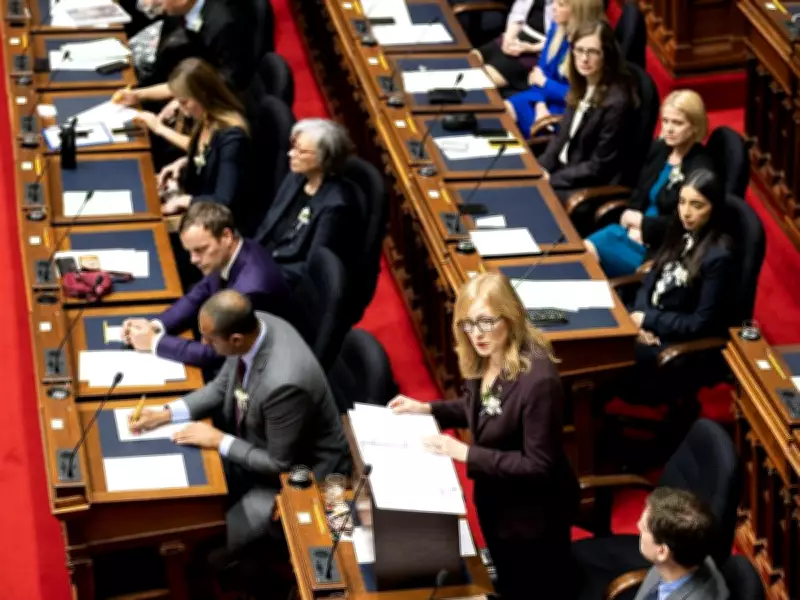
Minister Bailey explained the government's rationale during budget proceedings, stating, "This is a recognition that the province needs to strategically sequence projects to address fiscal pressures." The deliberate pacing of construction initiatives aims to mitigate the impact of escalating building expenses while preserving a competitive debt-to-GDP ratio.

Targeted Project Adjustments and Economic Considerations
Specific infrastructure developments experiencing adjusted timelines include Phase 2 of the Burnaby Hospital redevelopment and the B.C. Cancer Centre, collectively valued at approximately $1.8 billion. Additionally, seven long-term care facilities across communities including Delta, Abbotsford, and Chilliwack—with combined costs exceeding $1.4 billion—will see modified implementation schedules.
The government's approach acknowledges multiple economic factors influencing construction economics. By reducing simultaneous project launches, provincial authorities aim to decrease internal competition during contract tendering processes. This strategy potentially alleviates cost pressures that typically intensify when multiple major projects proceed concurrently, though officials recognize persistent challenges including material price inflation, labor market constraints, and supply chain disruptions.
Political Reactions and Implementation Details
The B.C. Conservative opposition criticized the adjusted pace of healthcare infrastructure projects, highlighting concerning data from the provincial seniors advocate. Statistics indicate long-term care wait lists have more than tripled during the past decade, with average wait durations nearly doubling to 290 days.
Most affected projects currently lack revised completion timelines, with one notable exception being the University of Victoria's $178-million student housing expansion, now scheduled for completion in 2034. The government also confirmed adjustments to certain housing investment initiatives, though specific project details and associated construction costs remain undisclosed.
This budgetary approach reflects the provincial government's attempt to balance substantial infrastructure investment against growing debt obligations and economic realities, ensuring continued development while implementing fiscal safeguards.