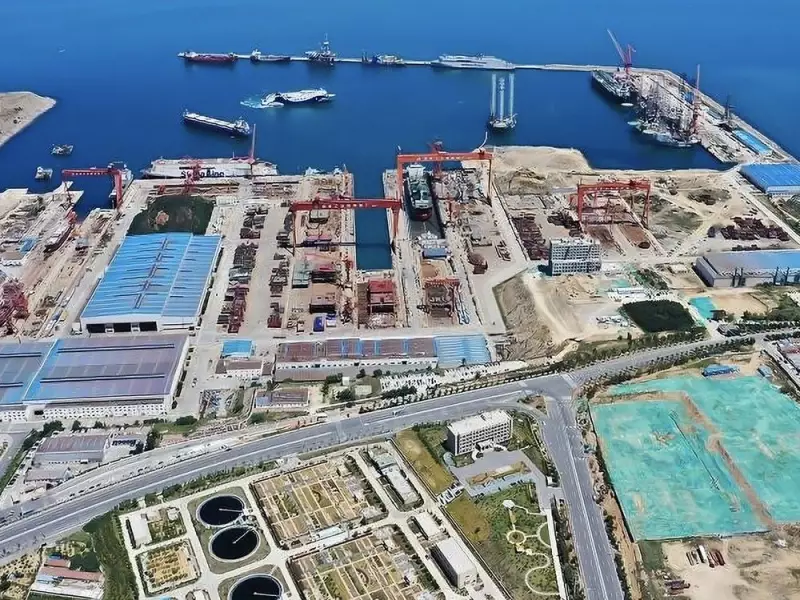
Internal NDP Dissent Over Chinese Ferry Contract
As British Columbia's New Democratic Party prepares for its convention in Victoria this weekend, three separate resolutions condemning BC Ferries' decision to build new vessels in China have surfaced among delegate materials. The motions reflect growing discontent within the party ranks over the controversial offshore shipbuilding contract.
The most strongly worded resolution comes from the Powell River-Sunshine Coast riding association, which accuses BC Ferries management of ignoring the social and economic benefits of domestic procurement. The motion states that tens of thousands of job years will be lost and tens of millions of dollars in economic activity sacrificed when Canada needs it most.
Strategic Agenda Placement Mutes Debate
Despite the strong feelings among some party members, the resolutions criticizing the Chinese ferry contract have been strategically placed at the bottom of the convention agenda. The three motions occupy positions 95, 102, and 103 on a list of 112 motions dealing with job creation, making it highly unlikely they will come up for debate during the weekend proceedings.

Instead, delegates will vote on a composite motion backed by the BC Federation of Labour, unionized building trades, and Transportation Minister Mike Farnworth's Port Coquitlam riding association. This alternative resolution carefully avoids any mention of the controversial China deal while calling on the government to build future ferries in Canada and prioritize BC shipyards.
Political Maneuvering Protects Government Position
The agenda arrangement was orchestrated by the party's resolutions committee, which included Esquimalt NDP MLA Darlene Rotchford, party vice-president Tim Chu, two riding officials, and two labour representatives. According to convention rules, this committee has authority over the consideration of all resolutions and their placement on the agenda.
This strategic positioning prevents what could have been an embarrassing moment for the NDP government, as delegates would risk endorsing a position already taken by the BC Conservatives if any of the anti-China contract resolutions were debated and passed.
The situation highlights the growing tension between the NDP's pro-labour principles and the economic realities facing BC Ferries. While party members express frustration over lost Canadian jobs and economic opportunities, the government appears determined to avoid a public confrontation over the issue during its convention.