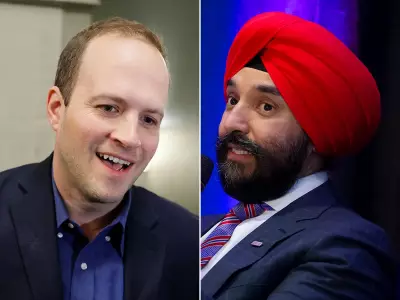
In a significant political development, François Tremblay, a member of the National Assembly for the Coalition Avenir Québec (CAQ), has exited the party's caucus. This move comes directly after his arrest for operating a vehicle while impaired.
Mutual Decision Following Arrest
The departure was confirmed to be by mutual consent between Tremblay and the CAQ leadership. The decision was swiftly made public on January 09, 2026, following the incident. Tremblay had been serving as the parliamentary secretary to Infrastructure Minister Benoit Charette, a role that has now been vacated.
While specific details of the arrest, such as location and blood-alcohol level, were not immediately disclosed in the initial report, the political consequence was immediate and clear. The CAQ, led by Premier François Legault, has consistently positioned itself on a platform of law and order, making such allegations against a sitting member particularly damaging.

A Blow to the CAQ Government
The exit of an MNA from the governing party's caucus is always a disruptive event. François Tremblay's departure removes a vote from the CAQ's majority in the National Assembly and creates an unwanted distraction for the government. It also forces a minor cabinet shuffle, as Minister Charette will need a new parliamentary assistant.
This incident places the CAQ in a difficult position, balancing the need to uphold its stated principles with the handling of a colleague's personal crisis. The party's quick action in agreeing to a mutual separation from the caucus underscores its attempt to contain the political fallout.
What Comes Next?
For François Tremblay, the immediate future involves navigating the legal process resulting from the drunk driving charges. Politically, his status as an independent MNA for his riding is now secured, though his long-term prospects remain uncertain.
For the CAQ, the focus will be on managing the narrative and demonstrating that accountability is taken seriously within its ranks. The party will likely emphasize that the decision was mutual and swift, aiming to project stability and resolve. This event serves as a stark reminder of the personal conduct standards expected of public officials and the rapid political consequences when they are allegedly breached.