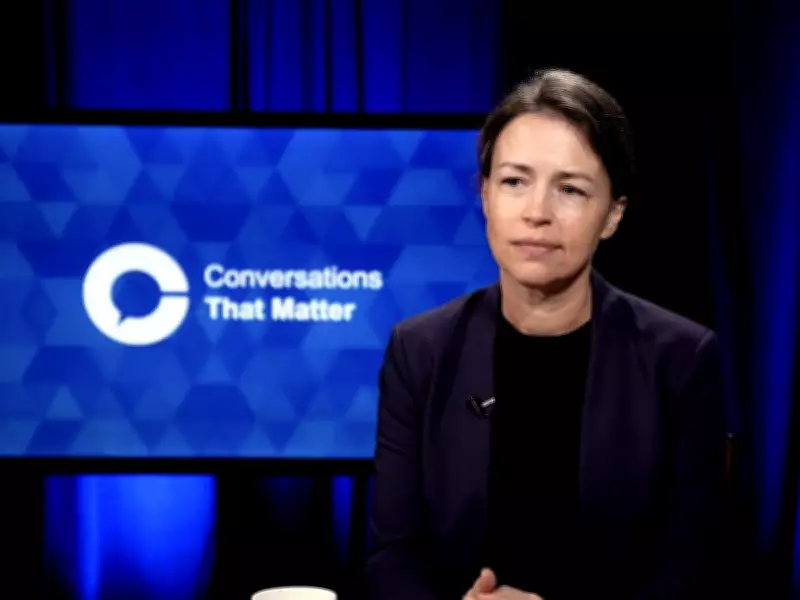
Nowhere has the progressive takeover of our institutions been more complete, or more destructive, than in British Columbia. Thankfully, the Opposition B.C. Conservative Party has the opportunity to elect a leader whose platform is a beacon of hope for the province and indeed the rest of Canada. Caroline Elliott, a longtime B.C. activist and commentator, does not simply aim to introduce minor reforms to stem the damage; she is pledging to overhaul the entire system and rebuild it from the ground up. Conservatives across Canada should take note: if Elliott wins the leadership and subsequently secures power, British Columbia will lead the way in demonstrating what a conservative government can achieve.
The Current State of British Columbia
British Columbia should be teeming with wealth and pride, but instead it is stagnating under an NDP government that has embedded identity politics into every level of policy, stifled economic development, flooded streets with drugs, and pushed an extreme ideological agenda onto young minds in schools. The NDP's approach to Indigenous policy has been particularly secretive, undemocratic, and a threat to the economy, and may even jeopardize B.C.'s existence as a Canadian province.
Elliott's Platform: Repealing DRIPA
To address these issues, Elliott's platform promises to immediately scrap the NDP's disastrous DRIPA legislation, which forces all provincial laws to align with the United Nations Declaration on the Rights of Indigenous People (UNDRIP). A straightforward reading of UNDRIP, which was intended only as an aspirational document, could theoretically mean that 95 percent of the province should be handed over to First Nations. UNDRIP also requires free and informed consent from First Nations before development—a much more expansive rule than the Supreme Court's duty to consult.

The consequences of this approach are already apparent. The B.C. government has signed over control of vast areas of land or granted various decision-making powers over land usage to multiple First Nations, often through deals that were either secret or lacked input from the very public affected by these arrangements. Elliott's plan includes not only repealing DRIPA but also revoking provisions from these deals that provide veto power over public land and resources, threaten private property, or otherwise undermine the public interest and democratic principles.
A Moderate Approach to Reconciliation
This approach should reassure both Indigenous and non-Indigenous British Columbians. Government relationships with First Nations must be transparent to be productive. Consulting with and respecting the constitutional rights of First Nations is one thing, but expansive land deals that hinder democratic governance are radical and extreme. In this context, Elliott is the moderate voice.
Instead of the economic development hindered by the NDP's misguided reconciliation efforts, Elliott would ensure private property is protected, project permitting is streamlined, and the net-zero fantasies of the current government are discarded. On every issue important to not only conservative voters but also to most people except the most stubbornly progressive, Elliott's platform is refreshingly clear and direct. There is little unnecessary nuance, while virtue signaling and winking at activists are entirely absent.
A Model for Conservatives Nationwide
If Caroline Elliott wins the B.C. Conservative Party leadership and then goes on to win the provincial election, British Columbia could become a model for conservative governance across Canada. Her platform offers a clear alternative to the NDP's progressive agenda, focusing on democratic accountability, economic growth, and genuine reconciliation that respects constitutional rights without sacrificing public interest.