Alberta Premier Charts New Course in Federal-Provincial Standoff
Political insider Norman Spector observes that the federal government in Ottawa views Alberta Premier Danielle Smith as an adversary, reminiscent of how former premier Peter Lougheed was targeted decades ago. According to Spector, Ottawa is actively working to undermine Smith rather than collaborating to resolve Alberta's pressing issues, with this opposition having broader support within Alberta today compared to the 1970s.
A Strategic Shift in Provincial Leadership
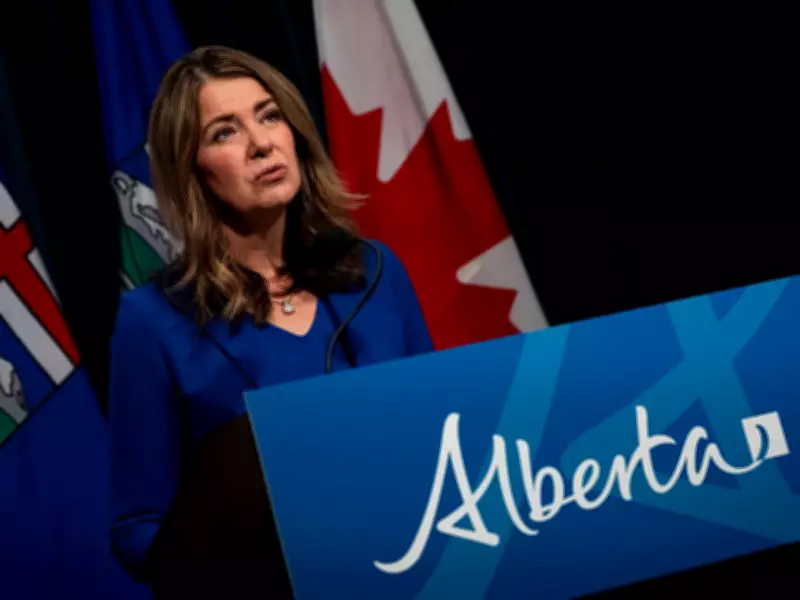
In a televised address on Thursday evening, Premier Smith fundamentally altered the political landscape by presenting Albertans with a third option beyond the anticipated October referendum choices of separatism versus maintaining the status quo. This moderate alternative effectively splits the vote among citizens dissatisfied with current federal-provincial arrangements, providing a less radical path forward.
Spector notes that Smith has "put meat on the bones of her oft-stated position: a sovereign Alberta in a united Canada." The provincial referendum scheduled for October 19 will ask Albertans to vote on two key questions: whether Alberta should assume greater control over immigration policies, and whether the province should collaborate with like-minded provinces to pursue constitutional amendments that would grant provinces enhanced powers.

Navigating Political Pressure and Proposals
Smith faced mounting pressure from multiple fronts to denounce Alberta independence advocates. British Columbia Premier David Eby demanded she label as "treasonous" meetings between Alberta separatists and Trump administration officials, while Ontario Premier Doug Ford publicly urged Smith to take a firm stand against separatist movements. Smith responded defiantly, stating, "I'm not going to demonize or marginalize a million of my fellow citizens when they've got legitimate grievances."
According to Spector's analysis, Smith has adopted former Quebec premier Robert Bourassa's approach—which led to traditional federal-provincial negotiations like those seen during the Meech Lake and Charlottetown accords—rather than pursuing confrontational tactics. "There's no knife in what she's now proposing," Spector emphasizes, contrasting this strategy with more aggressive approaches historically recommended for achieving constitutional change.
Historical Context and Future Prospects
Spector brings considerable experience to his analysis, having participated in Ontario's delegation at the 1979 First Ministers Conference and British Columbia's delegation in 1981. He later moved to Ottawa in 1986 to mediate federal-provincial relations during Canada-U.S. free trade negotiations before serving as chief of staff to Prime Minister Brian Mulroney.
Despite Smith's strategic shift, Spector remains skeptical about its potential success, drawing parallels to Quebec's experience in 1986. "It's very hard to amend the Constitution," he states emphatically, noting that while initial cooperation occurred during the Meech Lake negotiations, additional demands from other provinces and First Nations ultimately contributed to the failure of the Charlottetown referendum.
The key questions moving forward include whether Smith's proposals will reduce criticism of her being labeled a separatist, whether Prime Minister Mark Carney and other provinces will engage with her constitutional proposals, and whether Ottawa will negotiate an immigration agreement with Alberta. Smith's approach has reportedly reduced tensions in Alberta-Ottawa relations, eased pressure on Prime Minister Carney, and diminished momentum for secessionist movements within the province.
This development represents a significant moment in Canadian federalism, as Alberta seeks to redefine its relationship with the federal government through constitutional channels rather than separatist rhetoric, potentially setting a precedent for how provinces can advocate for greater autonomy within the Canadian federation.