B.C. Premier David Eby Expresses Confidence in Indigenous MLAs' Support for DRIPA Pause
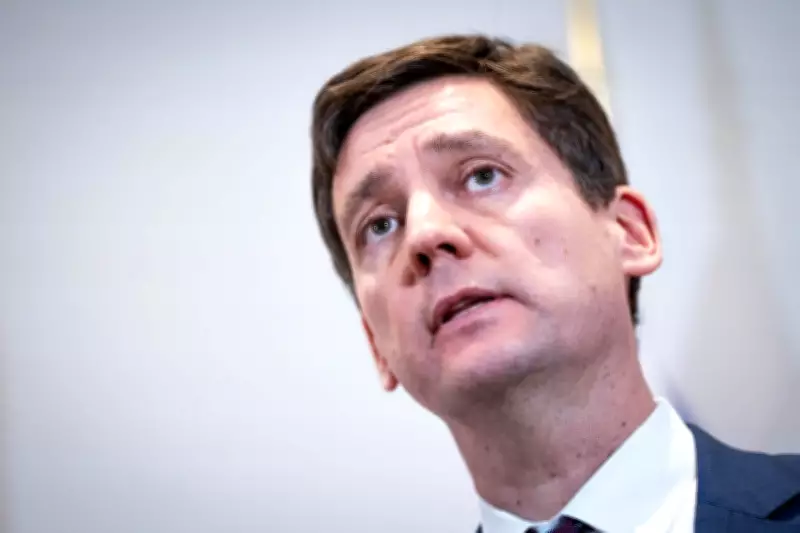
British Columbia Premier David Eby has publicly stated his confidence that Indigenous Members of the Legislative Assembly (MLAs) will vote in favor of pausing the province's Declaration on the Rights of Indigenous Peoples Act (DRIPA) legislation. This announcement comes amid heightened political discussions and strategic considerations within the provincial government.
Background and Context of DRIPA Legislation
The DRIPA legislation, enacted to align British Columbia's laws with the United Nations Declaration on the Rights of Indigenous Peoples, has been a cornerstone of the province's reconciliation efforts. However, recent debates have emerged regarding its implementation and potential impacts, leading to calls for a temporary halt to allow for further review and consultation.
Premier Eby, speaking at a recent event, emphasized the importance of ensuring that all voices, particularly those of Indigenous communities, are heard in this process. He highlighted that the proposed pause is not intended to undermine the legislation but to strengthen it through more inclusive dialogue and assessment.

Political Dynamics and Indigenous Representation
With several Indigenous MLAs serving in the British Columbia legislature, their votes are crucial in any decision to pause the DRIPA legislation. Premier Eby's confidence stems from ongoing discussions and collaborations with these representatives, who have expressed concerns and suggestions for improving the act's framework.
Key points from Eby's statements include:
- Commitment to meaningful engagement with Indigenous leaders and communities.
- Recognition of the need for additional time to address complex issues related to land rights and self-governance.
- Assurance that the pause will be temporary and focused on enhancement, not repeal.
Implications for British Columbia's Reconciliation Efforts
A pause in the DRIPA legislation could have significant implications for British Columbia's reconciliation journey. Proponents argue that it allows for a more thorough evaluation of the act's effectiveness and alignment with Indigenous priorities. Critics, however, worry that delays might hinder progress and undermine trust built over years.
Premier Eby addressed these concerns by stressing that the government remains dedicated to advancing Indigenous rights and that the pause is a strategic step toward achieving more sustainable and impactful outcomes. He noted that feedback from Indigenous MLAs has been instrumental in shaping this approach, reflecting a collaborative spirit in provincial politics.
Next Steps and Legislative Process
The vote on pausing the DRIPA legislation is expected to take place in the coming weeks, with Premier Eby anticipating support from Indigenous MLAs based on current dialogues. If approved, the pause will initiate a review period involving stakeholders from various sectors, including Indigenous organizations, legal experts, and community members.
This process aims to identify areas for improvement and ensure that the legislation effectively supports the rights and aspirations of Indigenous peoples in British Columbia. As the situation develops, all eyes will be on the legislative assembly to see how this critical decision unfolds.