Edmonton Property Tax Increase Revised Upward to 7.7% After Provincial Share Adjustment
The City of Edmonton has announced a significant revision to its property tax increase, with the rate now set at 7.7% following adjustments in provincial funding shares. This update marks a notable rise from earlier projections, directly affecting homeowners across the municipality as council members grapple with budgetary pressures and service demands.
Impact of Provincial Funding Changes on Municipal Budget
The increase to 7.7% stems from recent changes in the provincial government's contribution to local services, which has forced Edmonton to recalibrate its financial plans. City officials emphasize that this adjustment is necessary to maintain essential public services, including infrastructure maintenance, public safety, and community programs, amid rising operational costs.
Council discussions have highlighted the delicate balance between funding municipal operations and minimizing the burden on taxpayers. This tax hike reflects broader economic challenges, including inflation and increased demand for city services, which have strained Edmonton's budget framework.

Reactions from City Council and Residents
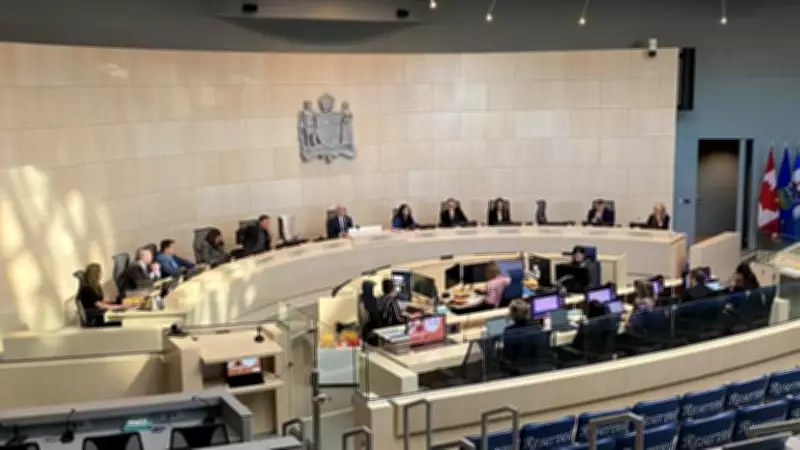
Edmonton City Council members have expressed mixed reactions to the revised tax rate. Some argue that it is a prudent response to ensure long-term fiscal stability, while others voice concerns over affordability for residents already facing high living costs. Public feedback sessions are planned to gather input from homeowners and businesses on how to mitigate the impact.
Residents are advised to prepare for higher property tax bills, with the increase expected to take effect in the upcoming fiscal year. The city has outlined potential relief measures, such as phased payment options or targeted exemptions for low-income households, though details remain under discussion.
Comparative Analysis with Other Municipalities
This tax adjustment places Edmonton's increase above the average for major Canadian cities, sparking debates on municipal funding models. Experts note that similar pressures are affecting other urban centers, driven by factors like:
- Provincial funding shortfalls
- Rising infrastructure costs
- Population growth and service expansion
The situation underscores the ongoing tension between local governance and provincial support, with calls for more sustainable revenue-sharing agreements to prevent future spikes.
Future Outlook and Budgetary Implications
Looking ahead, Edmonton's financial planners are tasked with navigating this increased tax burden while ensuring service quality. The 7.7% hike is projected to generate additional revenue, but it also raises questions about long-term affordability and economic competitiveness.
City officials stress that this decision was not taken lightly, with thorough analysis of alternative funding sources considered. Ongoing monitoring of provincial policies and economic conditions will be crucial to adjust strategies as needed, aiming to balance fiscal responsibility with community needs.