Edmonton homeowners are facing a substantial property tax increase this year, with rates climbing by 7.7 percent due primarily to adjustments in the provincial education levy. The hike translates to an additional $75 for every $100,000 of property value, a significant jump from the $53 per $100,000 that city council originally approved last November.
Mayor Vows This Is the Last Major Increase
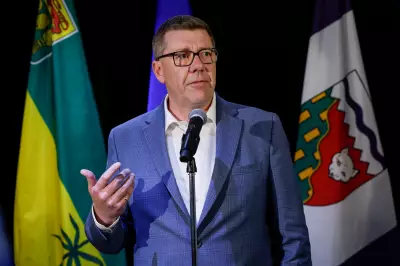
Mayor Andrew Knack has made a firm commitment regarding future tax increases, stating emphatically, "This is the last year of this scale of increase." He cautioned residents that the next four-year budget cycle will likely involve "significant" cuts to various services as the city shifts direction.
"As we go into the next four-year budget, you're going to start seeing us go gradually in the other direction," Knack explained. "This next four-year budget needs to focus on four key areas—economic development, managing our growth, the quality services people expect, and safety. Anything that does not align with those four areas, we need to be willing to not continue."

Council Approves Budget Adjustments
On Friday, Edmonton City Council voted 11-2 to approve operating budget adjustments, with only Ward pihêsiwin Councillor Mike Elliott and Ward tastawiyiniwak Councillor Karen Principe opposing the measure. The council will make the property tax rate official on April 28, with taxes due by the end of June.
The mayor expressed particular frustration with the provincial education levy system, questioning why municipalities are responsible for collecting taxes for provincial services. "Why is the municipality collecting taxes on behalf of the province for provincial services?" Knack wondered aloud. "That tax already doesn't go into dedicated education funding—it goes into general revenue. There's no reason we should be put in the place of collecting taxes on their behalf for their services."
Knack Advocates for Provincial Tax Reform
The mayor suggested alternative approaches for provincial education funding, proposing that "Let's let them take over using income taxes—they have taxation tools, they should use their tools to fund their services." This criticism comes as the province increased the education levy within its own deficit budget, forcing municipalities to pass along the additional costs to homeowners.
Budget Pressures and Future Projections
City operations are now expected to cost $20.8 million more than initially anticipated when budgets were approved. The additional expenses stem from several key factors:
- $5.6 million increase in Workers' Compensation Board premiums
- $6.8 million to cover Collective Bargaining agreements for Transit Services, Community Standards, and Fire Rescue
- $3.3 million reduction in the Financial Strategies fund due to fuel costs, tariffs, and other external market factors
City administration has provided preliminary projections for future tax increases, though they caution these figures are based on December 2025 data and don't account for recent global events. The projections indicate:
- 5.6 percent tax hike in 2027
- 4.3 percent increase in 2028
- 3.9 percent hike in 2029
- 3.7 percent increase in 2030
As property tax notices prepare to go out in May, Edmonton residents face the immediate financial impact while looking toward a future where municipal services may face substantial reductions as the city prioritizes its core objectives. The tension between municipal and provincial taxation responsibilities continues to shape Edmonton's financial landscape, with homeowners caught in the middle of this jurisdictional debate.