Jason Kenney's Unwavering Opposition to Separatism in Alberta
If the COVID-19 pandemic had not unfolded as it did, Jason Kenney would likely still be serving as the premier of Alberta today. This counterfactual scenario highlights a significant political reality: with Kenney at the helm, there would be absolutely no appeasement of separatist factions within the province.
A Stark Contrast in Leadership Approaches
Under Kenney's hypothetical continued leadership, the Alberta government would maintain a firm, unwavering stance in support of Canadian unity. There would be no softening of referendum regulations to placate separatist demands, no anxiety about party divisions influencing the premier's decisions, and no hesitation to denounce independence movements as fundamentally misguided.
This approach stands in sharp contrast to the current political climate. Premier Danielle Smith, while expressing a desire for sovereignty within a united Canada, consistently avoids direct criticism of separatist ideologies. This nuanced positioning creates a noticeable gap in the provincial government's public stance on national unity.

The Political Fallout and Kenney's Resurgence
In 2022, government-imposed COVID-19 measures created deep fractures within Kenney's United Conservative Party caucus, ultimately leading to his ouster following significant backlash, particularly from rural constituencies. Throughout this tumultuous period, Kenney remained principled, openly confronting his critics rather than seeking compromise to retain power.
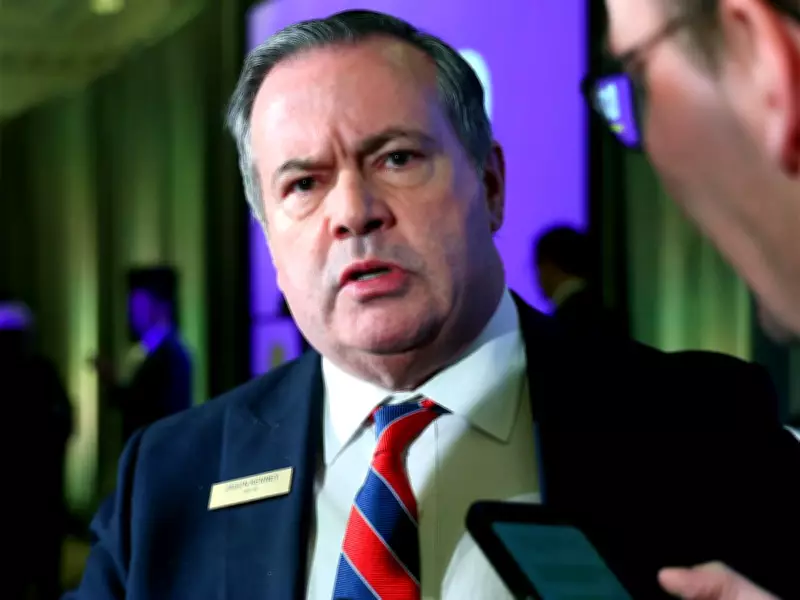
Although no longer holding official office, Kenney has reclaimed a powerful platform through media appearances and social media engagement. Recently, he participated in a National Post video interview with host Rob Breakenridge, amplifying his message to a broad audience.
Confronting Separatist Engagement with the United States
Kenney has been particularly vocal about Alberta separatist leaders attempting to engage with United States officials. In a pointed social media post to his 293,000 followers, he mocked these efforts, noting that "the bootlickers leading Alberta separatism desperately want to become the 51st state, but no one in Washington above the level of intern will meet with them."
He further emphasized that the U.S. State Department has effectively closed doors to these groups, recognizing their lack of credibility and official mandate. This assessment aligns with an NBC News report confirming that earlier meetings occurred only at junior levels and that no further engagements are planned.
The Dangerous Implications of External Appeals
Separatist representatives continue seeking American support while claiming they merely advocate for independence rather than U.S. statehood. This strategy represents a perilous undertaking, not only because it might appeal to expansionist political elements but also because it operates outside established legal frameworks.
The proper channel for pursuing independence, as outlined in Canada's Clarity Act, requires a referendum with a question approved by Parliament, followed by extensive negotiations with Ottawa and other provinces. The separatist movement has not submitted its proposed question for federal approval—an action the current premier appears unwilling to undertake.
Kenney's persistent warnings highlight the long-term dangers of these separatist maneuvers, suggesting that recovery from such divisive movements could take decades if not addressed decisively. His continued advocacy serves as a reminder of the principled stand he maintained throughout his political career, even at the cost of his position as premier.