Vancouver's Lapu Lapu Day Tragedy Leads to Overhaul of Large Event Safety Protocols
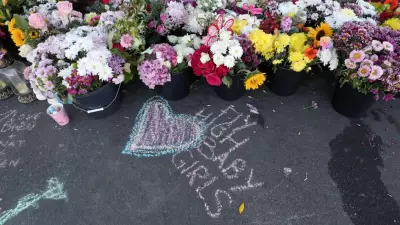
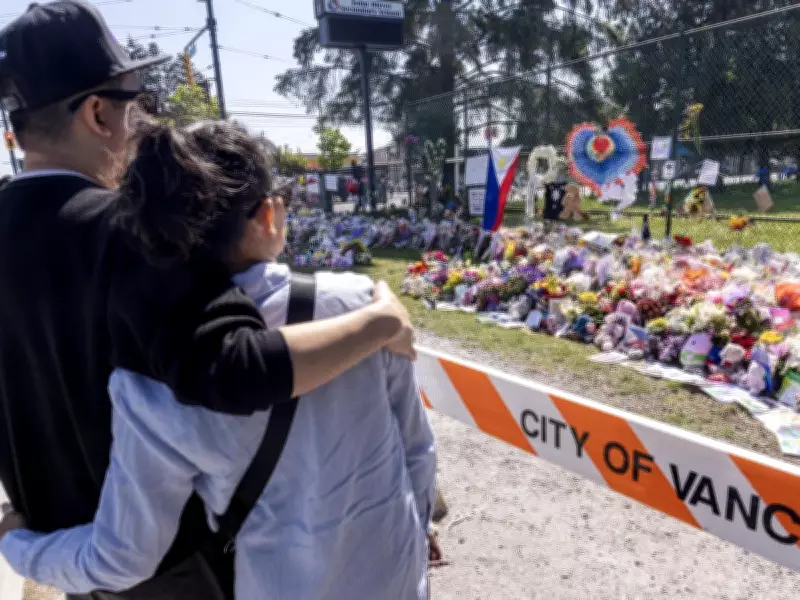
One year after the devastating Lapu Lapu festival tragedy that shook Vancouver's Filipino community and the entire province, significant changes are being implemented to enhance public safety at large gatherings. The horrific incident, which occurred on April 26, 2025, has prompted a comprehensive review of security measures, with reforms now being applied to upcoming major events including the FIFA World Cup matches scheduled for Vancouver this summer.
New Training and Infrastructure Improvements
The modifications include new mass-casualty training programs for paramedics and proposed expansions of physical safety measures. According to official reports, these changes aim to prevent future "hostile vehicle" incidents through the installation of permanent barriers and enhanced crowd control systems. Many municipalities across Metro Vancouver have adopted event safety plans recommended by a provincial commission of inquiry established after the tragedy.
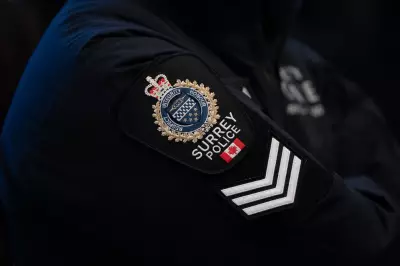
Jessie Adcock, Vancouver host committee lead for the seven World Cup matches scheduled for June and July, confirmed that her team has collaborated extensively with Vancouver police and provincial authorities to incorporate lessons from the Lapu Lapu Day tragedy. "Safety is our absolute priority," Adcock emphasized, though she declined to reveal specific operational changes. She did confirm general improvements in three key areas:

- Crowd management and control procedures
- Enhanced venue security protocols
- Comprehensive road safety measures
The Tragic Event and Its Aftermath
On that fateful April day in 2025, a black SUV plowed into the Lapu Lapu street festival in East Vancouver, resulting in 11 fatalities and numerous injuries. The driver, who had a documented history of mental health interactions with police, now faces 11 counts of second-degree murder and 31 counts of attempted murder. The incident involved six dozen paramedics in the emergency response, highlighting the need for improved mass-casualty preparedness.
Since March, BC Emergency Health Services has introduced new mass casualty-incident training for staff. This comprehensive program includes a four-hour online course followed by an eight-hour classroom session focused on critical decision making, coordination, and teamwork during complex incidents with multiple patients.
Preparing for Future Major Events
Katryna Bowland-Kwok, BCEHS's Vancouver coastal south operations director, explained that the ambulance service conducted extensive operational debriefings following the attack. "The tragedy has fundamentally influenced our preparations for large-scale events moving forward," she stated, specifically referencing the upcoming World Cup. "We're ensuring we're as prepared as possible. If this were to happen again, have we created sufficient resources to support that sort of incident?"
In August, BCEHS converted 190 temporary paramedics to full-time positions and hired 20 new staff members, significantly increasing emergency service capacity for mass-casualty events according to the provincial health ministry.
Physical Security Enhancements
Following the attack, Vancouver city officials and police implemented strengthened measures to deter vehicle-based attacks. Throughout last summer, additional barriers including concrete blocks and strategically parked trucks were deployed at large public events. A September report from city agencies outlined eight key recommendations now being implemented:
- Proposed funding in the 2027-2030 capital plan for permanent barriers to prevent vehicle attacks in public spaces
- New support systems for event organizers including information sessions and standardized planning tools
- Collaboration with other Canadian municipalities and senior governments to establish unified event-safety practices
A City Hall spokesperson confirmed that staff are actively working to implement these recommendations, creating a more robust safety framework for all future public gatherings in Vancouver.