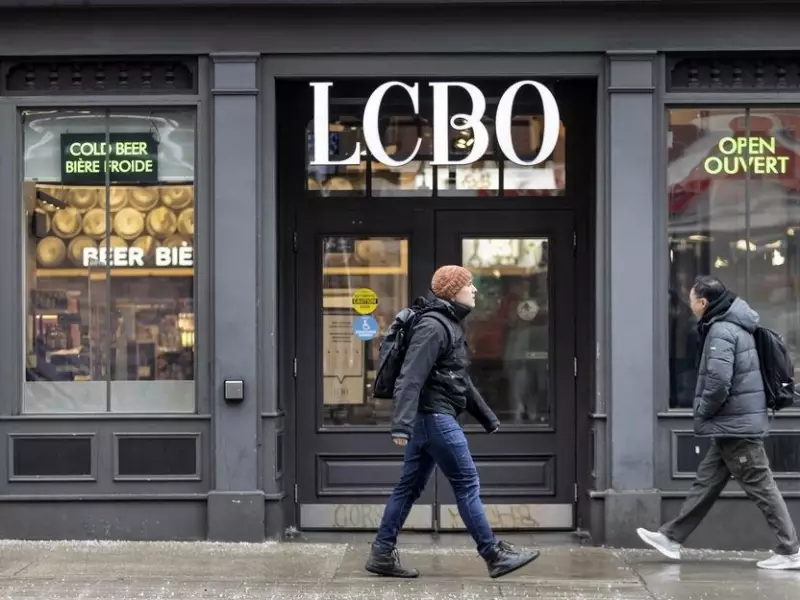
The Liquor Control Board of Ontario (LCBO) has abruptly reversed course on controversial pricing changes that were set to take effect January 1, 2025, following massive opposition from across the alcohol industry.
Industry Backlash Forces LCBO Retreat
In a late Tuesday evening announcement on November 19, 2025, the provincial Crown corporation declared it would delay implementation of its Future State Modernization Program until April 1. The changes, originally announced October 20, would have fundamentally altered how wholesale pricing is calculated for bars, restaurants, and retail stores across Ontario.
The LCBO stated it was "engaging with industry stakeholders" to ensure a stable transition, but sources indicate the decision came after unprecedented unity among retailers, restaurant owners, bar operators, brewers, distillers, wineries, and import businesses who collectively opposed the changes.

Potential Price Increases Revealed
Analysis of the proposed changes showed they would have led to significant price increases across various alcohol categories. Craft beer sold on draught faced potential increases of over 70%, while major beer brands on draught would have seen prices rise by more than 40%. Spirits were projected to see smaller increases of a few percentage points.
The timing of the original implementation raised particular concerns within the industry. The LCBO had planned an ordering freeze that would have affected bars, restaurants, and retailers at the end of December - directly impacting Christmas and New Year's Eve, typically the busiest period for alcohol sales.
Government Intervention and Leadership Questions
The reversal came after the Treasury Board held an emergency meeting at Queen's Park, effectively pulling back what many industry insiders called "blunderous plans." The situation has raised serious questions about LCBO leadership, particularly CEO George Soleas, board chair Carmine Nigro, and Finance Minister Peter Bethlenfalvy.
The controversy emerges against the backdrop of Premier Doug Ford's May 2024 announcement accelerating Ontario's alcohol expansion program. Ford had promised beer and wine in convenience stores, big box retailers, and more grocery locations, along with a comprehensive review of taxes and fees aimed at creating a fairer and more competitive marketplace.
Broader Implications for Ontario's Alcohol System
This incident highlights ongoing tensions within Ontario's alcohol retail system. Under Soleas's leadership, the LCBO's return per capita has steadily declined, with the agency now bringing in less revenue per person than Quebec, Alberta, and British Columbia - all jurisdictions with private sales and lower consumer prices.
The proposed pricing model would have added taxes, mark-ups, and fees to supplier quotes, with government fees and taxes already comprising nearly 50% of the final price of alcohol in Ontario. Critics argue the LCBO's latest move represented an attempt to increase government revenue at consumer expense, directly contradicting Premier Ford's call for market fairness.
With the new implementation date set for April 1, industry observers question whether the LCBO can successfully navigate the remaining challenges, particularly if current leadership remains in place. Many are calling for new leadership at both the executive and board levels to address what they see as systemic management failures.