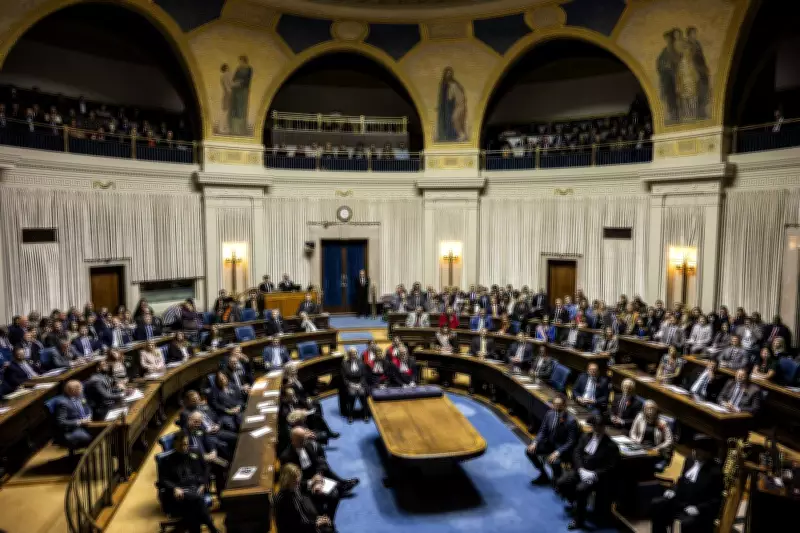
The Manitoba legislature is poised to commence its spring sitting, with key provincial issues taking center stage. According to political analysts and government insiders, the session will likely be dominated by intense debates and legislative actions focusing on two primary areas: the state of health care and the management of the provincial deficit.
Health Care System Under Scrutiny
Health care remains a top priority for the Manitoba government, with significant attention expected on funding, service delivery, and accessibility. The spring session will see proposals aimed at addressing long wait times, improving hospital infrastructure, and enhancing support for healthcare workers. Discussions may also cover mental health services and preventive care initiatives, reflecting broader public concerns.
Deficit Management and Fiscal Policy
Alongside health care, the provincial deficit is anticipated to be a major focus. Manitoba's financial health will be scrutinized through budget reviews and economic forecasts. Lawmakers are expected to debate strategies for balancing the budget, potentially involving spending cuts, revenue generation, or targeted investments to stimulate growth. This fiscal discussion ties into broader economic policies affecting businesses and residents across the province.

Legislative Agenda and Political Dynamics
The spring sitting will unfold at the Manitoba Legislative Building in Winnipeg, where members of the legislative assembly will convene. The session's agenda may include bills related to social programs, environmental regulations, and education policy, though health care and the deficit are predicted to overshadow other topics. Political observers note that this session could set the tone for upcoming provincial elections, with parties positioning themselves on these critical issues.
Public engagement and stakeholder consultations are likely to influence the proceedings, as community groups and advocacy organizations voice their priorities. The outcome of these debates could have lasting impacts on Manitoba's policy landscape, shaping resource allocation and governmental priorities for the foreseeable future.