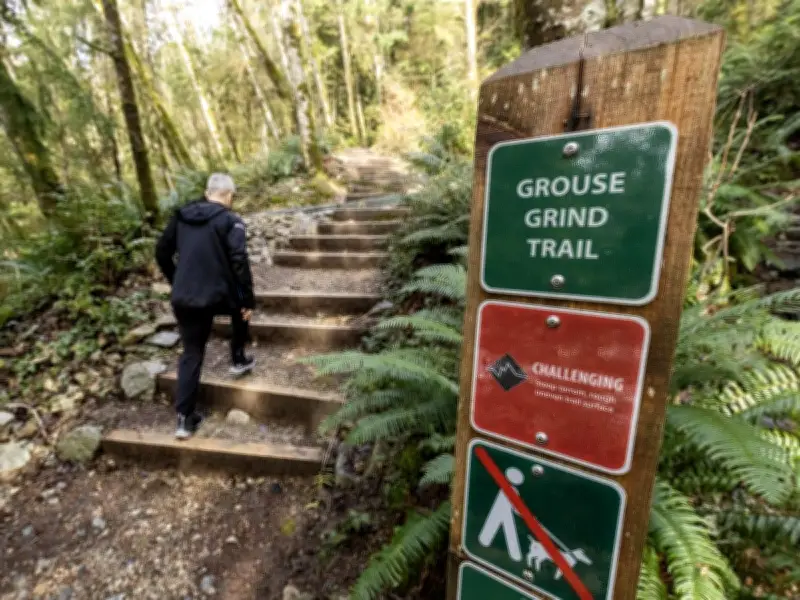
More than 700 Metro Vancouver outside workers are set to strike on Monday morning, affecting regional parks, water, and sewer services across the region.
Strike Details
Outside workers will be on the picket lines at the Metro Vancouver Regional District in Burnaby starting at 7 a.m., said union spokesperson Bill Tieleman. All non-essential workers who maintain Metro Vancouver’s regional parks, watersheds, water, and sewer infrastructure and construction sites will be off the job.
No decision has been made on whether to continue the strike for more than one day, according to Tieleman.

Essential Services
The B.C. Labour Relations Board has determined the number of workers designated as essential to keep services running safely, and management members are expected to step in as well.
Background
The workers have been without a contract for 17 months. “The members are angry,” said Tieleman, citing worker safety as a key issue. “There have been two major confined space worker safety incidents in recent years.”
After a near-fatal incident at a New Westminster water main job site in 2024, WorkSafeBC fined Metro Vancouver nearly $170,000 for “high-risk violations.”
On March 13, 2026, Metro Vancouver outside workers, represented by the Greater Vancouver Regional District Employees’ Union (GVRDEU), voted 97.8 per cent in favour of a strike mandate, but Tieleman said negotiations have reached an “impasse.”
Key Issues
Along with occupational health and safety, issues such as job security, contracting out, and worker recruitment and retention remain unresolved. Tieleman noted that managers at the Greater Vancouver Regional District have seen dramatic increases in their compensation, while taxpayers bear the cost of mismanagement, such as the North Vancouver wastewater treatment project, which ballooned from $700 million to $3.6 billion.
Who is the GVRDEU?
The Greater Vancouver Regional District Employees’ Union represents 700 outside employees of Metro Vancouver, including workers maintaining water treatment, wastewater treatment, sewers, construction site infrastructure, air quality control, regional utility grids, watershed management, and regional parks.
Jobs Affected
Workers maintain trails in regional parks, provide non-residential garbage and recycling services for regional waste systems, maintain drinking water infrastructure and watersheds, and operate wastewater treatment plants. They also provide property upkeep and services for public housing developments and water and sewer infrastructure on construction sites.