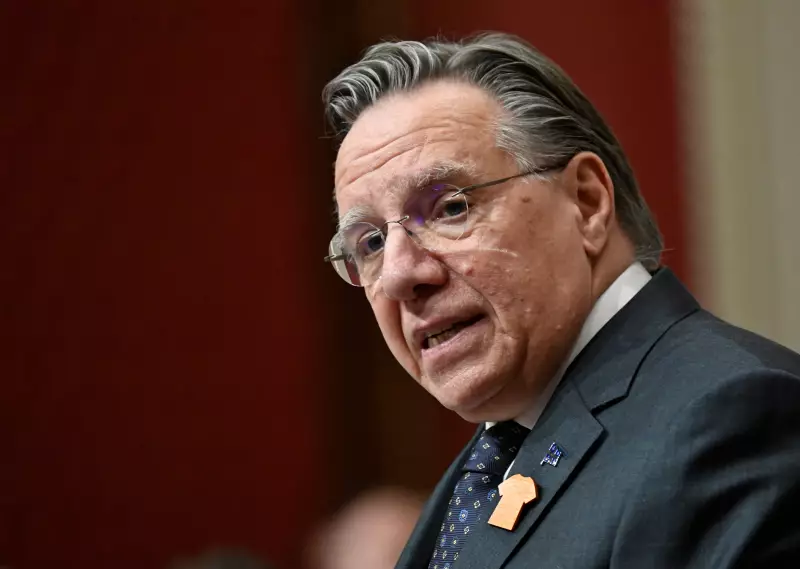
A significant shift in public sentiment is shaking the foundations of Quebec's political landscape. According to recent polling data, a majority of Quebecers now believe that Premier François Legault should resign from his position before the province heads to the polls in the next election.
Public Sentiment Turns Against the Premier
The findings, reported on October 22, 2025, indicate a growing discontent with the current government's leadership. While the specific polling firm and exact percentage were not detailed in the initial report, the central conclusion is clear: the electorate's confidence has eroded. This sentiment presents a formidable challenge for the Coalition Avenir Québec (CAQ) as it prepares for an eventual electoral contest.
The context for this public opinion shift is multifaceted. Premier Legault, who has led the province since 2018, has navigated a series of complex issues, including healthcare reforms, economic pressures, and debates on language and identity. The poll suggests that a cumulative effect of these challenges may be weighing on his popularity.

Political Implications for Quebec's Future
This development is more than a simple dip in the polls; it is a direct question about leadership and timing. The call for Legault to step down before the next election implies a desire within the electorate for a renewal at the helm of the governing party. It places immense internal pressure on the CAQ to assess whether its current leader remains its greatest asset or has become a liability.
Political analysts will be watching closely to see how Premier Legault and his party respond. Will they dismiss this as a temporary fluctuation, or will it trigger serious discussions about succession? The premier's performance in the legislature, particularly following the inaugural speech in Quebec City on Tuesday, September 30, 2025, will be under intensified scrutiny.
What Comes Next for the CAQ?
The road ahead for the governing party is now fraught with uncertainty. A leadership change mid-mandate is a high-risk maneuver, but ignoring a sustained trend of negative public opinion could be even riskier. The opposition parties are likely to seize upon this data as evidence that the government has lost its connection with the people of Quebec.
As the political narrative unfolds, the core question remains: can François Legault reverse this tide of opinion, or has the public already made up its mind about wanting a new leader to face the future? The answer will define the next chapter of Quebec politics.