The British Columbia New Democratic Party has achieved a remarkable financial turnaround, eliminating all debt while building substantial surpluses, according to reports presented at the party's recent convention in Victoria.
Leadership Review Highlights Financial Contrast
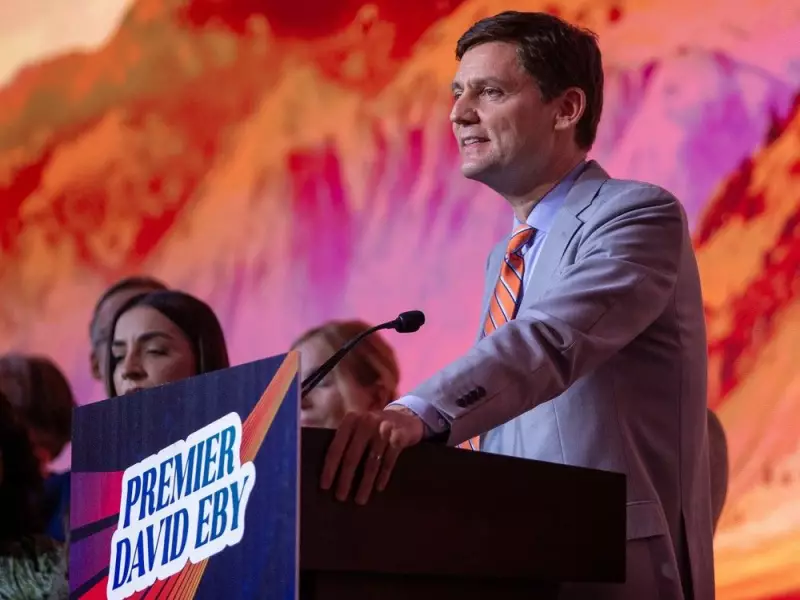
Premier David Eby received strong endorsement during the NDP convention leadership review, scoring 83 percent support from delegates. This showing nearly matched former premier John Horgan's 2021 result, though Eby achieved his following a narrow one-seat majority victory compared to Horgan's landslide win.
Behind the scenes, party insiders acknowledged that Eby's support might have been significantly lower—potentially dropping to the 71 percent range recently recorded by B.C. Conservative leader John Rustad—if the convention had occurred earlier in the year.

Party's Financial Success Story
NDP treasurer Karen Cooling delivered impressive financial news to convention delegates just hours before the leadership vote. For the first time in its history, the B.C. NDP emerged from a provincial election completely debt-free, she announced.
The party's financial health has flourished under the fundraising system implemented eight years ago, which banned large donations from corporations and unions, requiring parties to rely exclusively on individual contributions.
Cooling explained that the NDP established a budgetary process aligned with the four-year election cycle and cultivated year-round fundraising culture. In 2024, the party collected $8.2 million in individual contributions while spending $8.1 million on the election campaign.
Growing Surplus and Government Spending
The NDP concluded the four-year budget cycle with net assets of $4,997,619 following the hotly contested election. By September 30, that figure had grown to more than $9 million, demonstrating the party's financial discipline.
This party-level fiscal responsibility contrasts with recent provincial financial decisions. Party insiders credited several government policy shifts with shoring up delegate support for Eby, most notably the abandonment of hard-line bargaining with public sector unions.
The new mandate approved for public sector workers will cost the province approximately three times more than the previous agreement. While this move likely contributed to Eby's strong leadership review, it comes at significant expense to the provincial treasury.
The financial success at the party level, managed by Cooling and her team, stands in stark contrast to the challenges facing the provincial government's budget under the current NDP leadership.