The Government of Nova Scotia has taken a significant step forward by releasing its inaugural action plan dedicated to supporting the 2SLGBTQIA+ community. Announced on January 08, 2026, the comprehensive strategy includes a firm commitment to bolstering access to and support for gender-affirming care across the province.
A Landmark Commitment to Healthcare Access
At the heart of the new provincial blueprint is a pledge to enhance gender-affirming care services. This commitment is designed to address barriers and improve healthcare experiences for transgender, non-binary, and gender-diverse individuals in Nova Scotia. The plan signals a direct effort to align provincial health services with the needs of the community, though specific funding details and implementation timelines are expected to be outlined in the coming months.
Building a More Inclusive Province
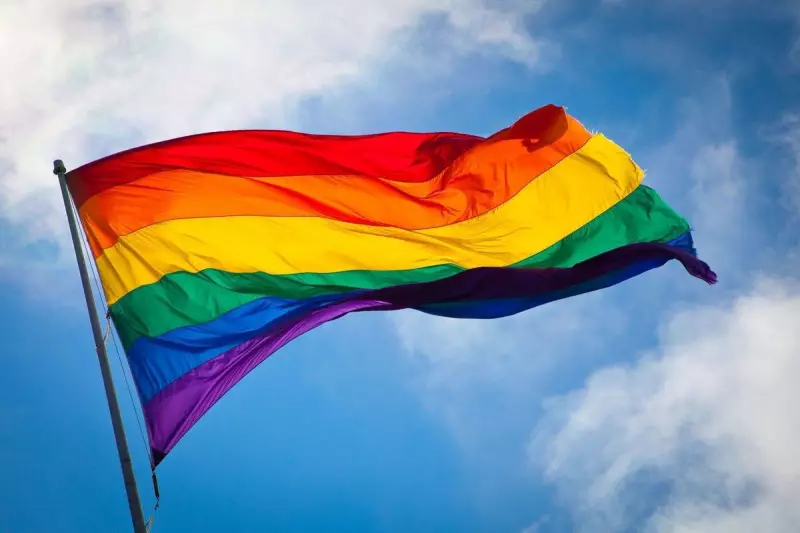
The action plan, developed through community consultation, extends beyond healthcare. It outlines a series of initiatives aimed at fostering greater inclusion, safety, and equity for Two-Spirit, lesbian, gay, bisexual, transgender, queer, intersex, asexual, and other sexually and gender-diverse people. The release of this plan marks a formal recognition by the provincial government of the unique challenges faced by the community and its intent to enact meaningful change.

Context and Next Steps
Reported by Sean Mott, this announcement positions Nova Scotia among a growing number of Canadian provinces implementing targeted strategies for 2SLGBTQIA+ communities. The success of the plan will hinge on its execution, collaboration with community organizations, and the allocation of necessary resources. Advocates will be watching closely as the government translates its pledges into tangible programs and policy changes that improve daily life for Nova Scotians.
The introduction of this action plan represents a pivotal moment for human rights and social policy in the region, setting a benchmark for future initiatives aimed at building a more inclusive society for all.