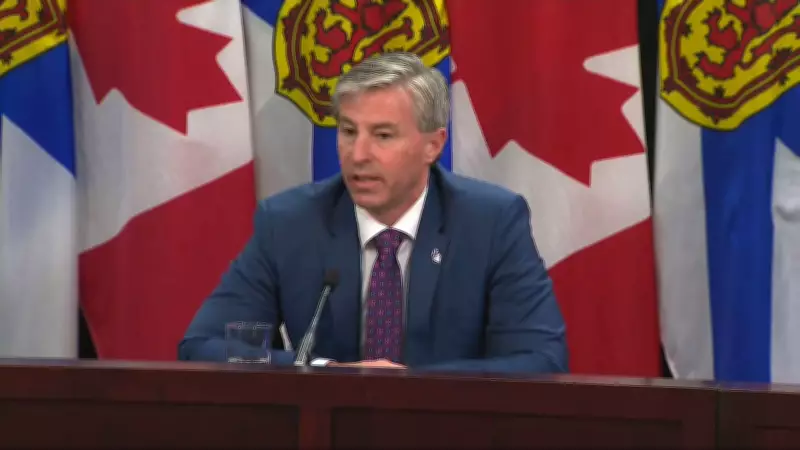
In a significant policy reversal, the Nova Scotia government has announced it will reinstate $53.6 million in grants and funding that had previously been cut. Premier Tim Houston made the announcement in Halifax on March 10, 2026, marking a pivotal shift in the province's fiscal strategy.
Restoration of Critical Funding
The decision to restore the substantial sum comes after widespread criticism and public pressure regarding the initial reductions. The $53.6 million will be allocated across various sectors, including healthcare, education, and infrastructure, aiming to bolster services and support community projects that were adversely affected by the earlier cuts.
Premier Houston's Statement
During his address, Premier Tim Houston emphasized the government's commitment to responsive governance. "We have listened to the concerns of Nova Scotians and recognize the importance of these funds in driving our province forward," Houston stated. "This reinstatement reflects our dedication to investing in the well-being and prosperity of all residents."

Impact on Provincial Programs
The funding restoration is expected to have a immediate and positive impact on numerous programs. Key areas set to benefit include:
- Healthcare Initiatives: Enhanced support for mental health services and rural medical facilities.
- Educational Grants: Increased funding for schools and post-secondary institutions to improve resources and accessibility.
- Community Development: Reinvestment in local infrastructure projects and environmental conservation efforts.
This move is seen as a strategic effort to address gaps in public services and stimulate economic growth. By reversing the cuts, the government aims to foster a more stable and supportive environment for businesses and residents alike.
Broader Political Context
The reinstatement occurs amid ongoing debates about fiscal responsibility and social investment in Nova Scotia. It underscores a balancing act between budget constraints and the need to fund essential services. Analysts suggest this decision could influence upcoming policy discussions and set a precedent for future budgetary adjustments.
As the funds are gradually disbursed, stakeholders across the province are optimistic about the potential for improved outcomes in critical sectors. The government plans to monitor the implementation closely to ensure transparency and effectiveness in the use of the restored resources.