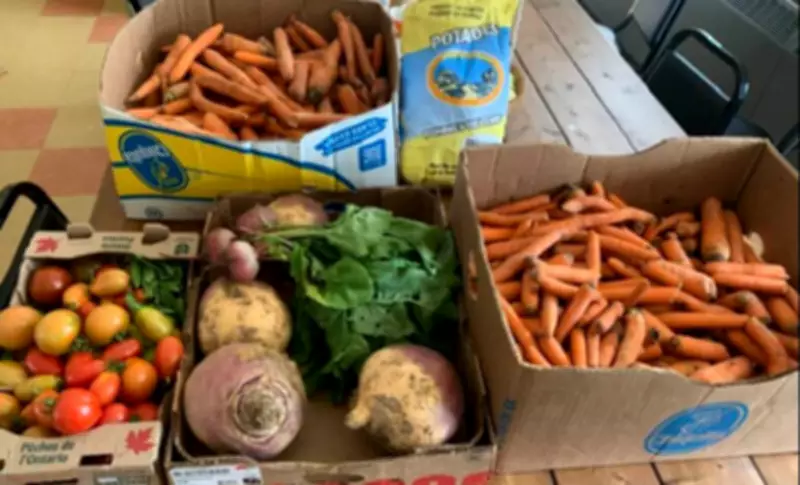
The Government of Nova Scotia has announced a significant financial initiative, directing $5.3 million in revenue generated from alcohol sales in the United States to bolster food donation programs across the province. This strategic move aims to address food insecurity and support vulnerable communities by leveraging international trade profits for local social welfare.
Funding Allocation and Impact
The $5.3 million infusion is earmarked for various food assistance initiatives, including food banks, school meal programs, and community kitchens. Officials emphasize that this funding will enhance the capacity of existing organizations to distribute nutritious meals and reduce hunger, particularly in underserved regions. The decision reflects a proactive approach to utilizing cross-border economic activities for domestic public benefit.
Economic and Social Context
This funding comes at a time when many Canadian provinces are grappling with rising living costs and increased demand for social services. By tapping into revenue from U.S. alcohol sales, Nova Scotia demonstrates innovative fiscal management, redirecting profits from international markets to address pressing local needs. The initiative is part of broader efforts to strengthen community resilience and promote equitable access to essential resources.

Government representatives highlight that the funds will be distributed through established channels to ensure transparency and effectiveness. Partnerships with non-profit organizations and local agencies are expected to maximize the reach and impact of the programs, providing immediate relief while fostering long-term sustainability in food security efforts.
Future Prospects and Community Response
Community leaders and advocacy groups have welcomed the announcement, noting that such investments are crucial for mitigating the effects of economic disparities. The funding is anticipated to support thousands of households, offering a lifeline amid ongoing challenges. As Nova Scotia continues to explore similar revenue-generating opportunities, this model may inspire other jurisdictions to adopt creative financing strategies for social programs.
In summary, Nova Scotia's allocation of $5.3 million from U.S. alcohol sales to food programs marks a notable step in leveraging international commerce for community welfare, underscoring a commitment to social responsibility and innovative governance.